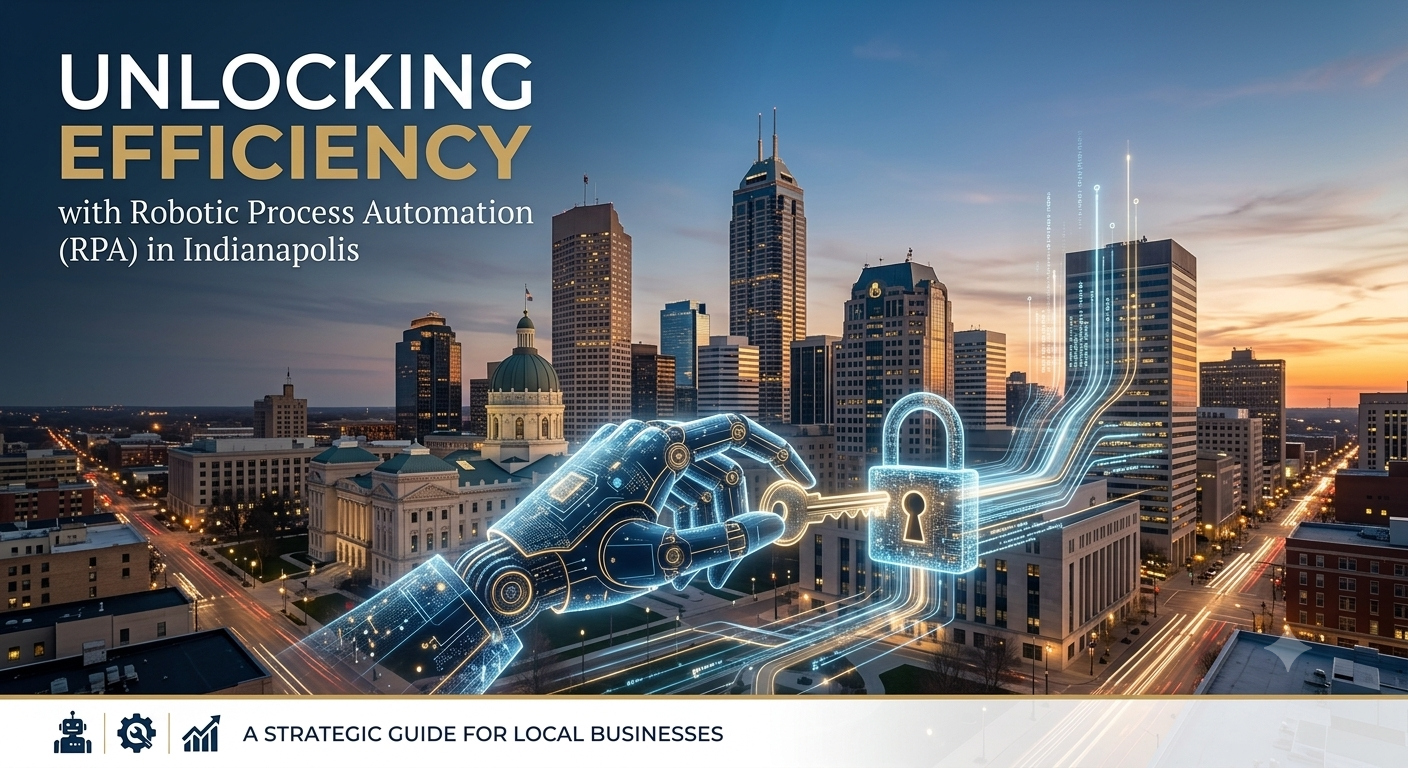
Understanding Robotic Process Automation
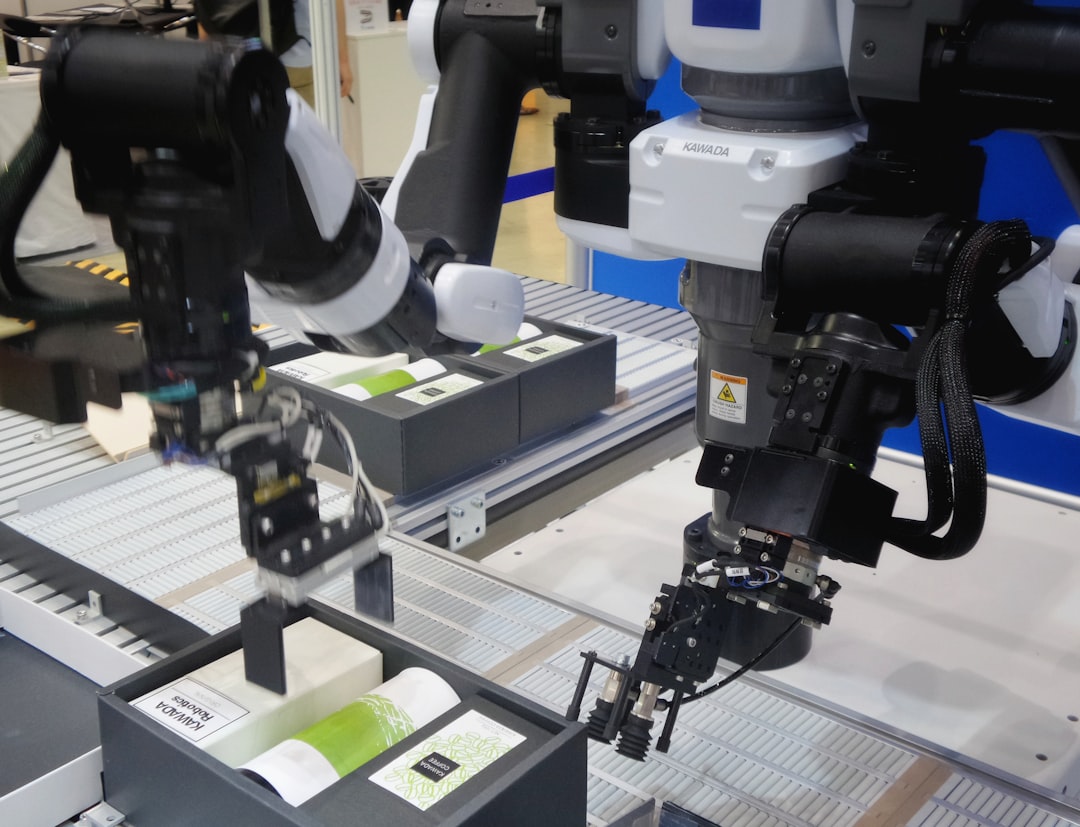
Robotic Process Automation (RPA) is a groundbreaking technology that allows businesses to automate repetitive tasks, significantly improving efficiency and accuracy. In Indianapolis, where companies are constantly striving to enhance productivity, RPA presents a viable solution that can streamline operations across various sectors.
Why Robotic Process Automation Matters for Indianapolis Businesses

In the competitive landscape of Indianapolis, companies face immense pressure to reduce costs while improving service delivery. Implementing Robotic Process Automation not only helps in cutting down operational costs but also frees up human resources to focus on more strategic tasks. By automating mundane processes, businesses can allocate resources more effectively, leading to enhanced customer satisfaction.
Furthermore, RPA provides the opportunity to minimize errors, thereby increasing the overall quality of service. For more insights on how to optimize your business processes, check out our 75 Website Design FAQs Answered.
How to Implement Robotic Process Automation in Your Business

Implementing RPA involves several key steps:
- Identify Processes for Automation: Start by analyzing your current workflows to pinpoint repetitive tasks that can be automated.
- Choose the Right RPA Tools: There are various RPA tools available in the market. Selecting the right one depends on your specific needs and the complexity of the tasks you wish to automate.
- Develop a Pilot Program: Before a full-scale rollout, develop a pilot program to test the RPA solution. This allows you to identify potential issues and make necessary adjustments.
- Train Your Team: Ensure your team is adequately trained to work alongside RPA tools. This will help in smooth integration and maximize the benefits of automation.
- Monitor and Optimize: After implementation, continuously monitor the performance of the RPA system and optimize it for better efficiency.
Detailed Implementation Steps for Robotic Process Automation
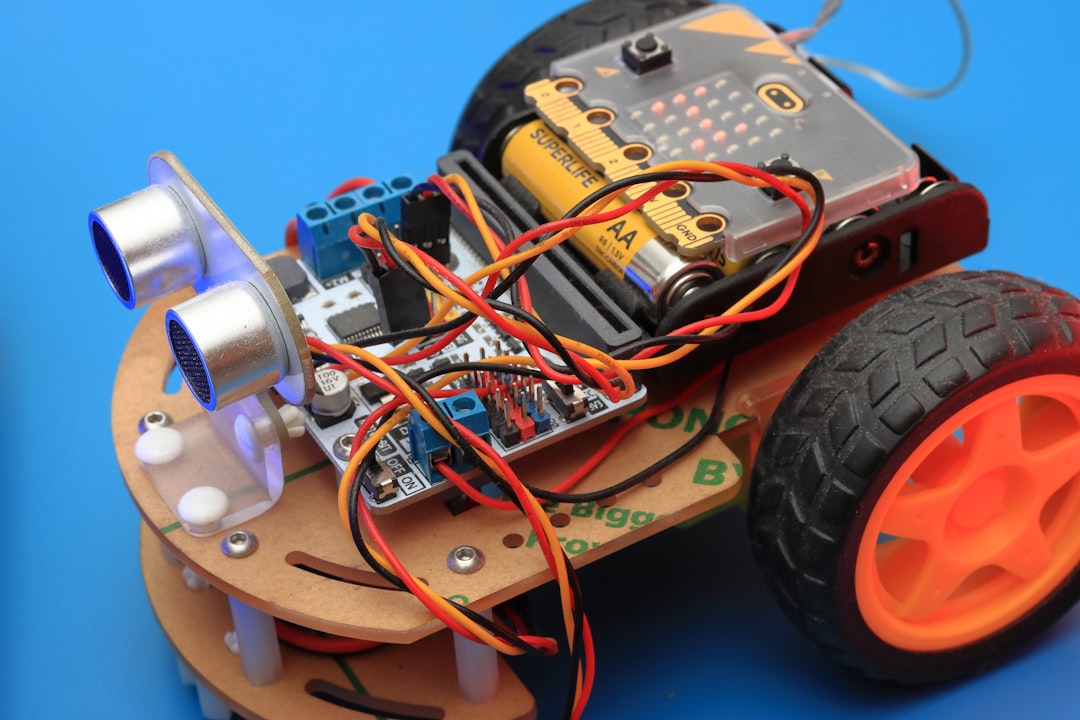
To dive deeper into the implementation of RPA, consider the following detailed steps:
- Assess Organizational Readiness: Evaluate your organization's readiness for RPA. This includes understanding existing processes, technology infrastructure, and employee readiness.
- Define Clear Objectives: Establish clear goals for what you want to achieve with RPA. Whether it's reducing processing time, minimizing errors, or enhancing customer satisfaction, having specific objectives will guide your implementation.
- Engage Stakeholders: Involve key stakeholders from different departments early in the process. Their insights can help identify suitable processes for automation and foster a culture of collaboration.
- Choose the Right RPA Vendor: Research and select an RPA vendor that aligns with your business needs. Consider factors such as scalability, support, and integration capabilities.
- Design and Develop Automation Workflows: Collaborate with your IT team to design and develop workflows that RPA will automate. Ensure these workflows are well-documented for future reference.
- Test RPA Solutions: Conduct thorough testing of the automated processes to ensure they function as intended. This includes user acceptance testing to gather feedback from end-users.
- Launch and Scale: Once testing is complete, launch the RPA solution and monitor its performance. Plan for scaling the automation to other processes based on initial success.
Pitfalls to Avoid When Implementing Robotic Process Automation
While RPA can bring significant benefits, there are common pitfalls to avoid:
- Neglecting Change Management: Failing to manage the change associated with RPA can lead to resistance from employees. It's crucial to communicate the benefits of RPA clearly and provide support throughout the transition.
- Overlooking Process Suitability: Not all processes are suitable for automation. Ensure that the processes you choose to automate are well-defined and stable.
- Ignoring Continuous Improvement: RPA is not a set-it-and-forget-it solution. Continuous monitoring and optimization are necessary to ensure the RPA system remains effective.
In conclusion, Robotic Process Automation is a powerful tool that can significantly enhance operational efficiency for businesses in Indianapolis. By following the outlined steps and avoiding common pitfalls, organizations can successfully implement RPA and reap its numerous benefits. For tailored automation solutions, contact Flexus Solutions today and take the first step towards transforming your business operations.
For more information on RPA and its impact on digital transformation, you can visit Shopify's RPA resources.
Conclusion
A clear plan for Robotic Process Automation — and a partner who can build it — is what turns research into revenue.
Flexus Solutions is based in Indianapolis and helps businesses design, build, and grow with websites, apps, marketing, and AI. Setup an Appointment to talk through your next step.
FAQ
Frequently asked questions
What types of tasks can RPA automate?
RPA can automate tasks such as data entry, invoice processing, and customer service inquiries.
How much does RPA implementation cost?
Costs vary based on complexity and tools; consult an expert for a tailored estimate.
Is RPA suitable for small businesses?
Yes, RPA can benefit businesses of all sizes by improving efficiency.
How long does it take to implement RPA?
Implementation can vary, but a pilot program may be set up within weeks.