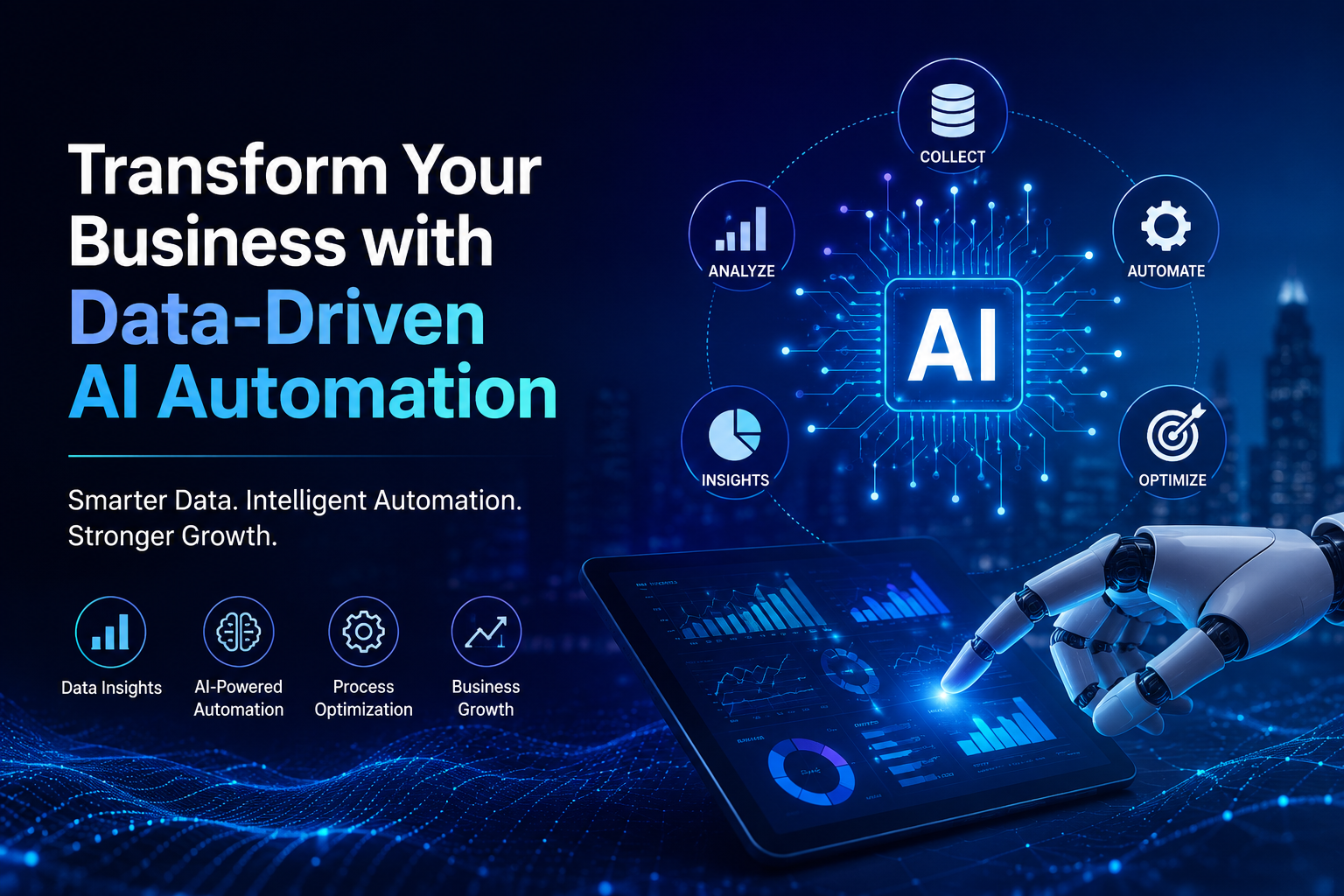
Understanding AI Automation
AI Automation is revolutionizing the way businesses operate. By leveraging artificial intelligence technologies, companies can automate tasks and processes that traditionally required human intelligence. This encompasses a wide range of applications, from data analysis and customer service to intricate decision-making processes. The integration of AI Automation can lead to significant improvements in efficiency, cost reduction, and enhanced accuracy.
Benefits of AI Automation
Implementing AI Automation brings a multitude of benefits to organizations. It allows businesses to streamline operations, reduce operational costs, and improve accuracy in various processes. By automating routine tasks, companies can free up valuable human resources, enabling teams to focus on more strategic initiatives that drive growth.
Enhanced Efficiency
One of the primary advantages of AI Automation is its ability to enhance operational efficiency. With AI systems handling repetitive tasks, businesses can achieve faster turnaround times and improved productivity. This efficiency not only saves time but also enables companies to respond more swiftly to market changes.
Cost Reduction
AI Automation can significantly lower operational costs. By reducing the need for manual intervention in routine processes, companies can minimize labor costs and decrease the likelihood of human error. This leads to more reliable outcomes and a better allocation of resources.
Key Technologies in AI Automation

Several key technologies are driving the advancement of AI Automation. These include:
- Machine Learning: This technology enables systems to learn from data and improve over time without explicit programming.
- Natural Language Processing: NLP allows machines to understand and interpret human language, facilitating better interactions in customer service applications.
- Robotic Process Automation: RPA automates rule-based tasks, making it easier for businesses to implement AI solutions across various functions.
Identifying Opportunities for AI Automation

To successfully implement AI Automation, businesses must first identify opportunities within their existing processes. This involves a thorough analysis of current workflows to pinpoint repetitive tasks that can be automated.
Analyzing Business Processes
Start by conducting a comprehensive analysis of your business processes. Identify tasks that consume significant time and resources, as these are prime candidates for AI Automation. For instance, customer interactions, data processing, and inventory management are areas where AI can deliver substantial value.
Choosing the Right Areas for Automation
Not every process is suitable for automation. Focus on areas where AI can provide the most impact. Customer service, for example, can benefit from AI-driven chatbots that enhance user experience while reducing the workload on human agents. For more insights, check out our Chatbot Development Indianapolis services.
Setting Goals for AI Implementation
Defining clear objectives is crucial for the success of your AI Automation initiative. Whether your goal is to improve customer satisfaction or reduce operational costs, having specific targets will guide your implementation strategy.
Developing a Strategic Plan for AI Integration
A well-defined roadmap is essential for successful AI integration. Outline the steps necessary to implement AI solutions, including timelines and milestones. This strategic plan should also account for potential challenges and how to address them.
Budgeting for AI Solutions
Budgeting for AI Automation can be complex. Consider not only the initial investment but also ongoing costs such as maintenance, updates, and employee training. For a detailed guide on budgeting for digital projects, refer to our Business Software Services.
Involving Stakeholders in the Process
Engaging key stakeholders early in the process is vital. Their insights and support can significantly influence the success of your AI Automation efforts. Ensure that everyone involved understands the benefits and objectives of the initiative.
Implementing AI Automation in Your Business
Once you have a strategic plan in place, follow a step-by-step approach to implement AI Automation. Start with small projects and gradually scale up as you gain experience and confidence.
Step-by-Step Implementation Guide
Begin with pilot projects to test the effectiveness of AI solutions. Monitor performance closely and gather feedback to refine your approach. This iterative process will help you identify best practices and potential pitfalls.
Training Employees on New Technologies
Investing in training for your employees is crucial to ensure they are comfortable using new AI tools. Providing comprehensive training will facilitate smoother transitions and improve adoption rates. Consider our AI Consulting Indianapolis services for expert guidance.
Monitoring and Adjusting AI Systems
Continuous monitoring is essential for the success of AI systems. Regularly assess their performance and make adjustments as needed to optimize results. This proactive approach will help you stay aligned with your business goals.
Measurement of Success and ROI of AI Automation
Establish Key Performance Indicators (KPIs) to measure the success of your AI Automation initiatives. Common metrics include cost savings, time savings, and customer satisfaction scores.
Analyzing Data and Feedback
Utilize data analytics to gain insights into the performance of your AI systems. Collect feedback from users to identify areas for improvement. This data-driven approach will ensure your AI Automation efforts remain effective and aligned with business objectives.
Continuous Improvement Strategies
Implementing a culture of continuous improvement is vital for keeping your AI Automation efforts aligned with business goals. Regularly review and refine your strategies based on performance data.
Challenges in AI Automation and How to Overcome Them
While AI Automation offers numerous benefits, it also presents challenges. Common pitfalls include lack of clear objectives, insufficient training, and resistance to change. Awareness of these challenges can help you develop strategies to mitigate them.
Common Pitfalls in Implementation
Be aware of potential pitfalls such as unclear objectives, inadequate training, and employee resistance. Addressing these issues proactively will enhance the likelihood of successful AI Automation implementation.
In conclusion, AI Automation holds the potential to transform your business operations significantly. By understanding its benefits, identifying opportunities, and implementing a strategic plan, you can harness the power of AI to drive growth and efficiency. For personalized guidance, setup an appointment with Flexus Solutions today!
Conclusion
A clear plan for AI Automation — and a partner who can build it — is what turns research into revenue.
Flexus Solutions helps businesses design, build, and grow with websites, apps, marketing, and AI — with delivery across the U.S. Setup an Appointment to talk through your next step.
FAQ
Frequently asked questions
What is AI automation?
AI automation refers to the use of artificial intelligence to automate tasks that typically require human intelligence.
What are the benefits of AI automation?
Benefits include increased efficiency, reduced costs, and improved accuracy.
How do I identify opportunities for AI automation?
Analyze your business processes to pinpoint repetitive tasks that can be automated.
What should I include in my AI implementation plan?
Include a roadmap, budgeting considerations, and stakeholder involvement.
How do I choose the right AI tools?
Evaluate tools based on functionality, scalability, and integration capabilities.
What are key performance indicators for AI automation?
Common KPIs include cost savings, time savings, and customer satisfaction.
How can I address employee concerns about AI?
Communicate openly and highlight the benefits of AI automation.
What future trends should I watch in AI automation?
Emerging technologies and predictions for AI integration in business processes.