


Problem framing
Hypotheses, audience and success criteria.

Product Prototyping · United States
Clickable prototypes that look and feel real — put in front of customers, investors and stakeholders in weeks, so you learn what works before a single line of production code.
01 / 04 · Why prototype
Every assumption in a new product — that people want it, understand it and will pay for it — is cheapest to test before engineering begins. A prototype makes the idea tangible enough for real reactions, at a fraction of the cost of building.
Teams that prototype first launch with fewer surprises and spend their development budget on features customers have already validated.
02 / 04 · Right fidelity
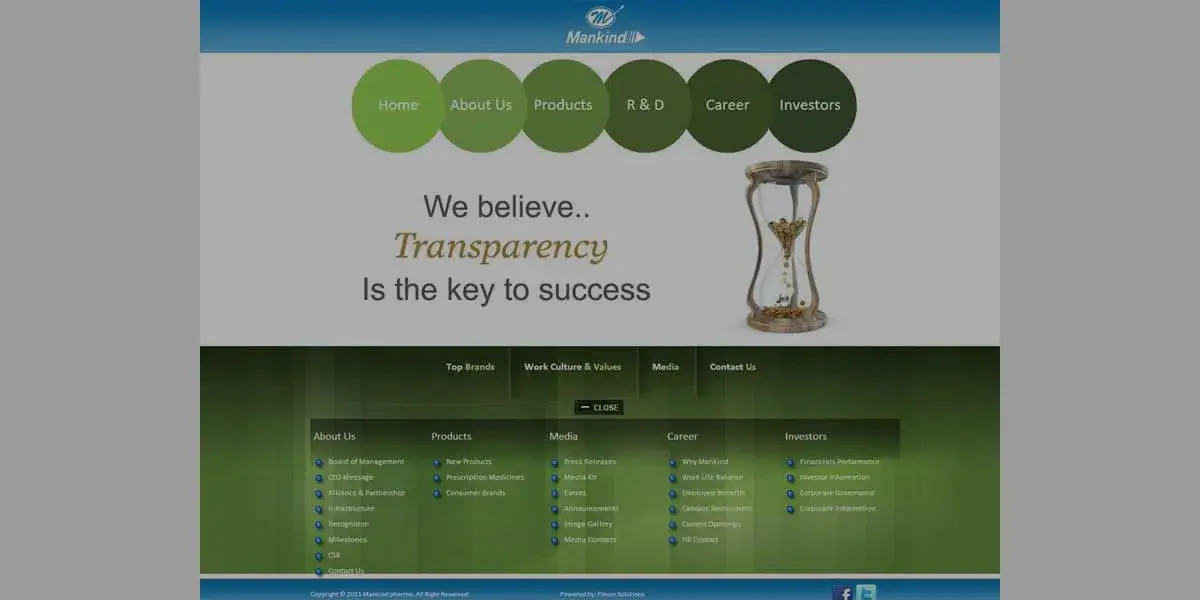
Early concepts are best tested rough, so people comment on the idea rather than the colors. Later prototypes need to look finished to test trust, desirability and detailed interactions.
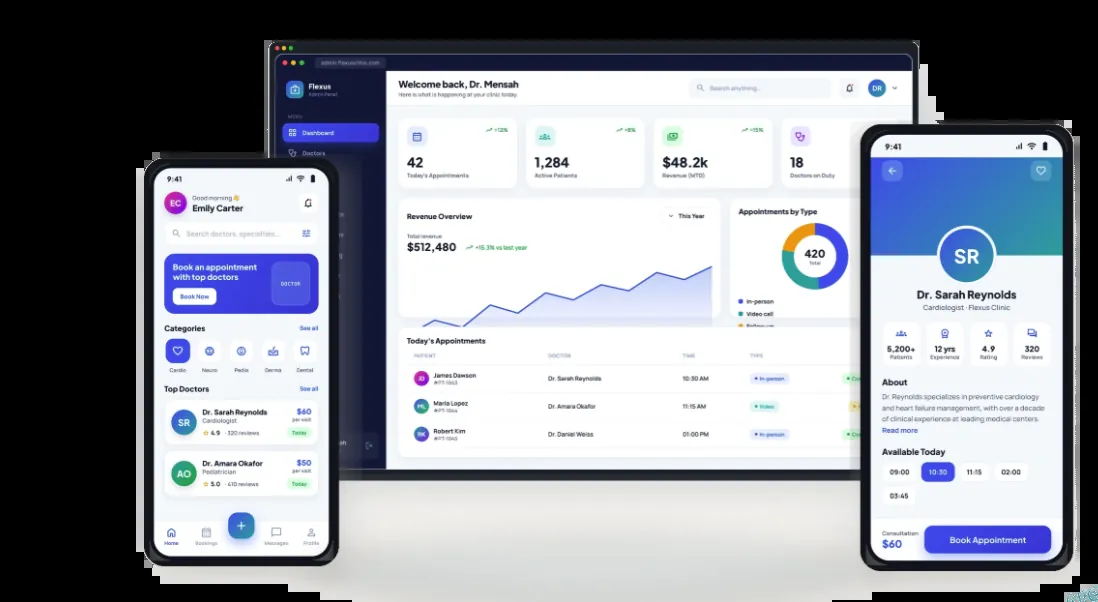
We match fidelity to the question: paper and wireframes for concept tests, high-fidelity Figma for usability and investor demos, and coded prototypes when realistic data, performance or complex interaction matters.
03 / 04 · Validation
A prototype earns its value in testing. We recruit target customers, run task-based sessions and interviews, and measure what matters: can they complete the core journey, do they understand the value, would they switch from what they use today?
Findings feed straight back into the next iteration, often within the same week.
04 / 04 · Into development
A validated prototype becomes the blueprint for development: annotated screens, interaction specifications, a prioritized feature list and a realistic estimate. Because we also design and build products, the plan is grounded in engineering reality.
Many clients take the prototype straight into an MVP build with us; others hand it to their own team with everything documented.
Payload
Hypotheses, audience and success criteria.
The core journeys mapped end to end.
Fast low-fidelity exploration of options.
High-fidelity Figma or coded prototype.
Sessions with target customers and findings.
Revisions based on evidence, not opinion.
A polished walkthrough for pitches.
Specs, prioritized scope and estimate.
Flight plan
Workshop the problem, audience and riskiest assumptions.
Flows and wireframes for competing approaches.
High-fidelity clickable prototype of the best direction.
Sessions with five to eight target users.
Iterate and retest where needed.
Build specs, scope and estimate.
Proof of flight
Mission briefing
Product prototyping is the practice of building a realistic, interactive model of a digital product — an app, platform or feature — before it is engineered. Prototypes range from rough wireframes to high-fidelity designs that feel like the finished product, and to coded prototypes that use real data. Their purpose is to learn: whether people understand the product, whether it solves their problem and how it should work.
| Type | Best for |
|---|---|
| Paper and sketches | Early concept exploration |
| Wireframe prototypes | Testing structure and flow |
| High-fidelity Figma | Usability, desirability and investor demos |
| Coded prototypes | Real data, complex interactions, technical feasibility |
| Concierge / Wizard of Oz | Testing a service before automating it |
For founders, a prototype is often the fastest route to evidence. It can validate demand through customer interviews, support pre-sales or waitlists, and show investors a product they can experience rather than imagine. A strong prototype paired with real user feedback is far more persuasive in a pitch than a slide deck alone.
Product teams in larger organizations use prototypes to settle debates, secure budget and de-risk new features. A clickable prototype tested with real customers turns subjective arguments into shared evidence, and it lets compliance, legal and engineering review the experience before costly work begins.
When a prototype is ready for build, developers receive annotated screens with spacing and behavior notes, interaction specifications for animations and states, the component inventory, edge cases such as empty and error states, and a prioritized backlog. That level of detail removes guesswork and avoids the expensive back-and-forth that usually happens when design intent is unclear.
Prototypes are also powerful internal tools. A clickable product removes ambiguity from conversations between executives, sales, marketing, engineering and compliance, because everyone reacts to the same thing instead of their own mental picture. Sales teams can show prospects what is coming and gather feedback, engineering can flag complexity early, and leadership can make funding decisions with far more confidence than a requirements document allows.
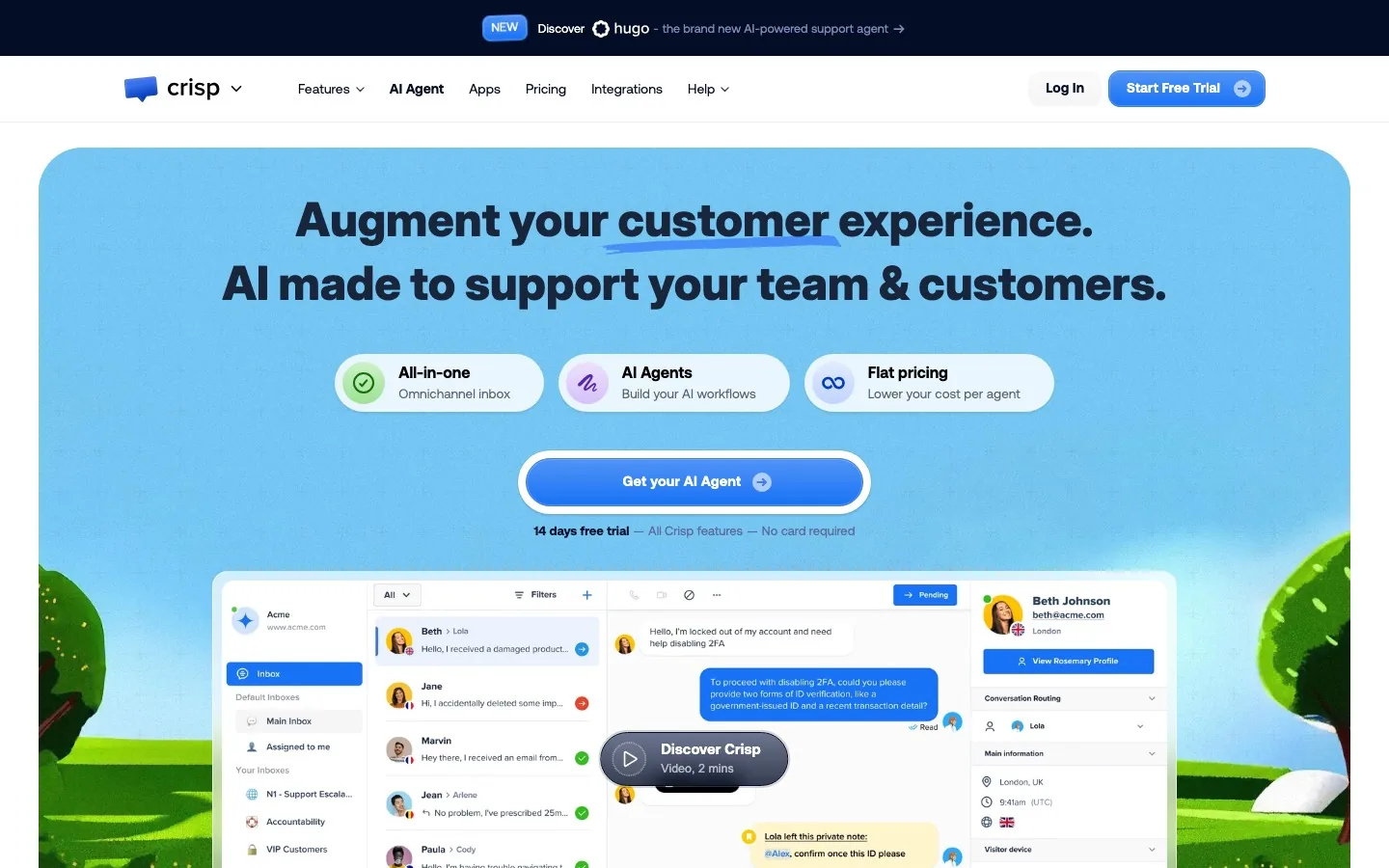
Every prototyping sprint begins with a short, focused workshop. We clarify who the product is for, the problem it solves, how people solve that problem today and what would have to be true for the product to succeed. From that conversation we identify the riskiest assumptions — the ones that would sink the product if wrong — and design the prototype specifically to test them. This keeps the sprint focused on learning rather than on decorating screens that might not matter.
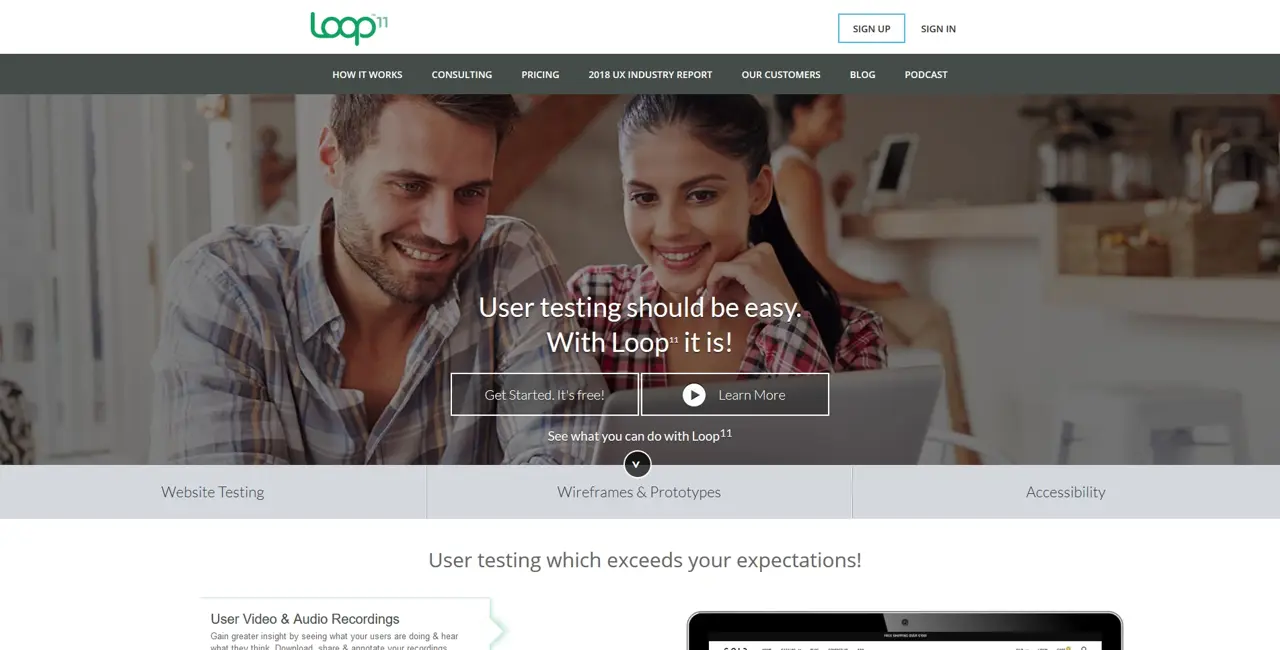
We recruit participants who match your target customers, give them realistic tasks, and observe where they succeed and struggle. We also ask about value: what they would expect to pay, what they use today, what would make them switch. Five to eight sessions per audience usually reveal the most important issues, and testing can happen remotely with participants anywhere in the United States.
Modern AI tools such as v0, Cursor and Figma's AI features can generate interface options and working code quickly. We use them to explore more ideas in less time, then apply design judgment and real user testing to decide what is good. AI speeds up making; it does not replace learning from customers.
Some questions can only be answered with working software: does the recommendation engine produce useful results, can the app handle real data volumes, does a complex gesture feel right. Coded prototypes built with React, Next.js, Flutter or no-code tools answer those questions while staying disposable, so you don't mistake a prototype for production code.
The most common mistakes are testing with colleagues instead of customers, polishing visuals before the concept is validated, asking leading questions, prototyping every feature instead of the riskiest ones, and treating prototype code as production code. A disciplined process avoids all of them.
A focused prototyping sprint costs a small fraction of a full build and typically takes two to six weeks, depending on the number of journeys, the fidelity required and the amount of user testing. We price it as a fixed engagement with clear deliverables.
Once the prototype is validated, the next step is usually a minimum viable product focused on the core journey. Because the experience is already designed and tested, development moves faster and with fewer changes. We can build the MVP ourselves or prepare a complete handoff for your developers.
Look for a team that tests with real users, adjusts fidelity to the question and understands what is feasible to build. Flexus prototypes products for startups and established companies across the United States, and because we also develop software, our prototypes come with realistic plans.
Questions
Most prototyping sprints take two to six weeks, including user testing.
Figma prototypes are not code. Coded prototypes can inform development but are usually rebuilt properly for production.
Yes. Many clients use our prototypes in investor meetings and demos.
People matching your target customers, recruited from your network or screened U.S. panels.
Yes, and testers can use it on their own phones.
That's a valuable result. We help you pivot or refine before spending on development.
We can, or we hand off a complete plan to your team.
Yes, all prototypes and files belong to you.
Yes, including complex dashboards and workflows.
Yes, nationwide.
T-minus zero
Tell us about your idea. We reply within one business day with a prototyping plan and price.
★★★★★ 16 reviews on Google & Trustpilot
“Flexus Solutions created a custom website for my new tea business, and I couldn’t be happier with the results!”
“Definitely recommend your services to others looking for App/Website development expertise.”
“Good job guys with our app. We have been looking for a good mobile app developer for our Real Estate business and then I found Flexus Solutions.”
“Ankur and his team were a pleasure to work with.”
“Ankur gave quote that was in our budget and completed the project before projected launch date.”
“I've been working with Ankur on a huge project for some time. He has done a great job thus far.”
“I wanted to express our appreciation for the mobile application you developed for us.”
“Good job done by Ankur and his team on mobile app project. Thanks to Hrishi for his support all the time.”
“Flexus did a good job on our mobile application project. Much appreciated. Good luck guys.”
“On Time On Budget Great Service. #1 Go to for webdesign, consultation, services.”
“I have been with them for three years now and they are very professional, personable…”
“If firm is absolutely everything anyone could ask for in developing web site - attentive, personal, knowledgeable, responsive, concerned and totally engaged to get to the…”
“Very Professional guys. I loved working with Ankur on my Mobile APP Project. Delivered as expected on set milestones.”
“I have been working with Ankur on a App project the past 6 months and have found him to be creative, hard working, and fast at both grasping and contributing to concepts.”
“I have worked with Ankur for many years. He is honest, speaks perfect English and has vast knowledge.”
“Absolutely outstanding experience with Flex Solutions LLC!”
Before you go
We’ll check your site’s speed, SEO and AI-search readiness and send you a short, honest report.
Thank you! We’ll send your audit soon.