



Assessment
Is headless worth it for you?

Headless Commerce · United States
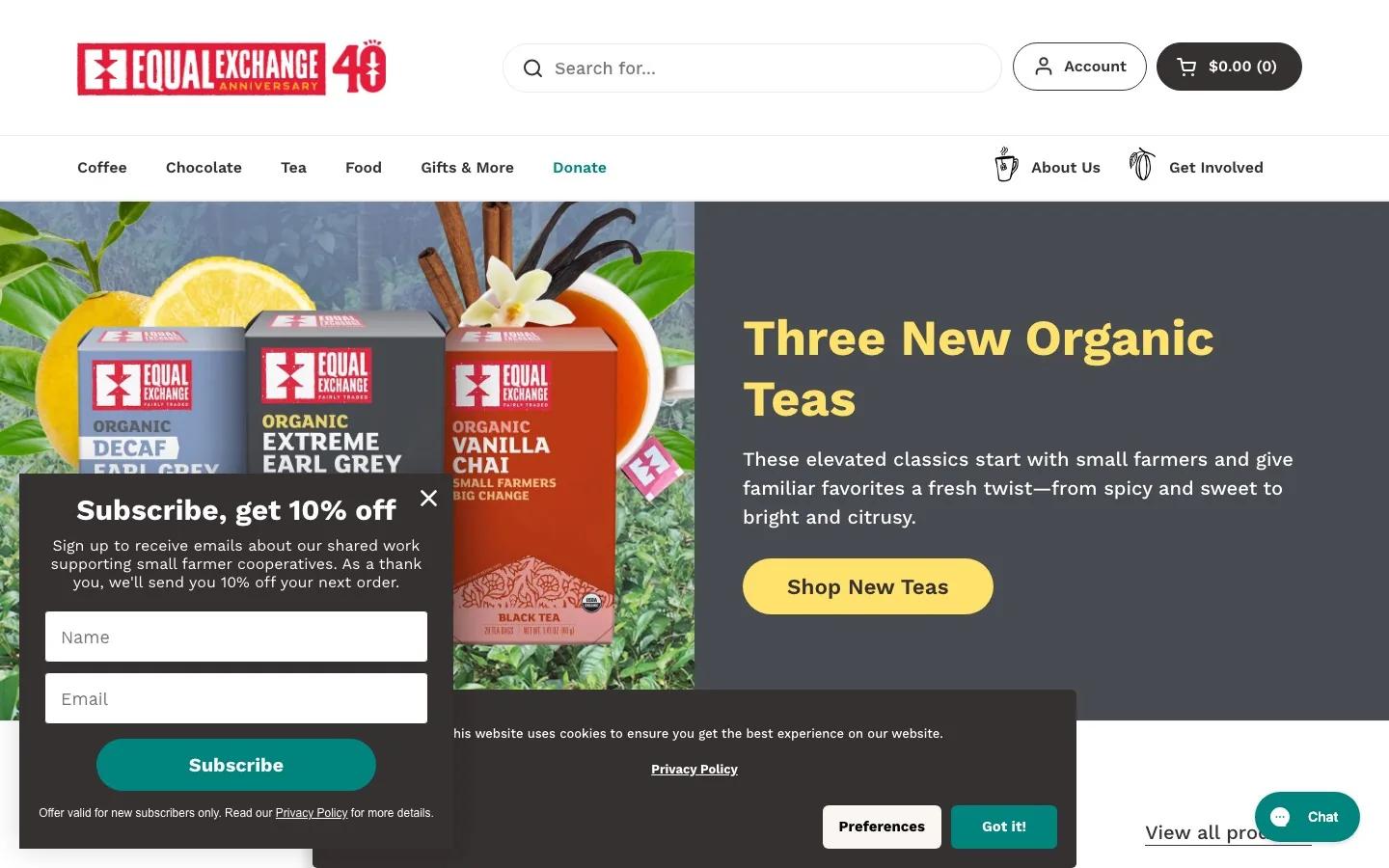
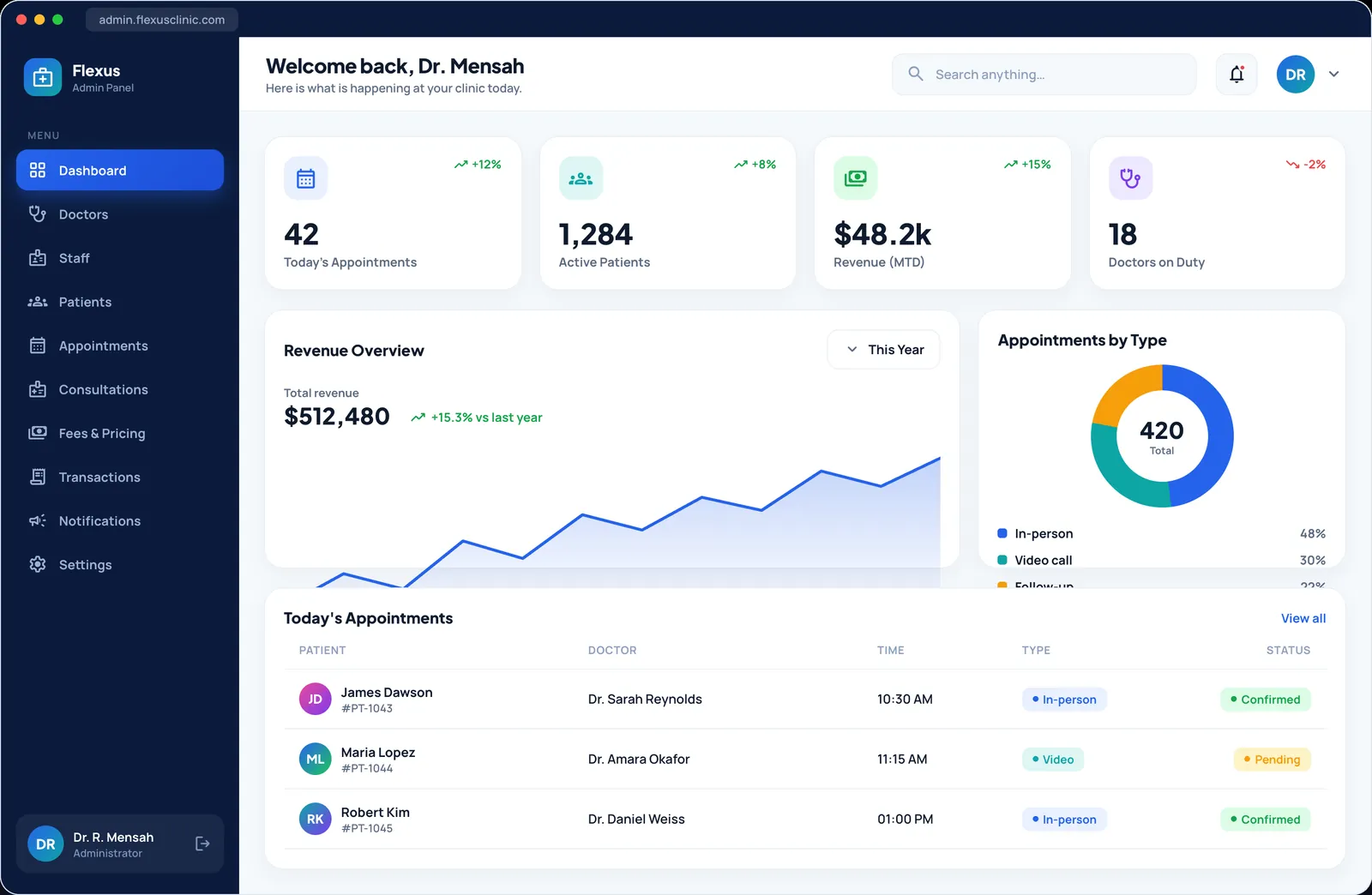
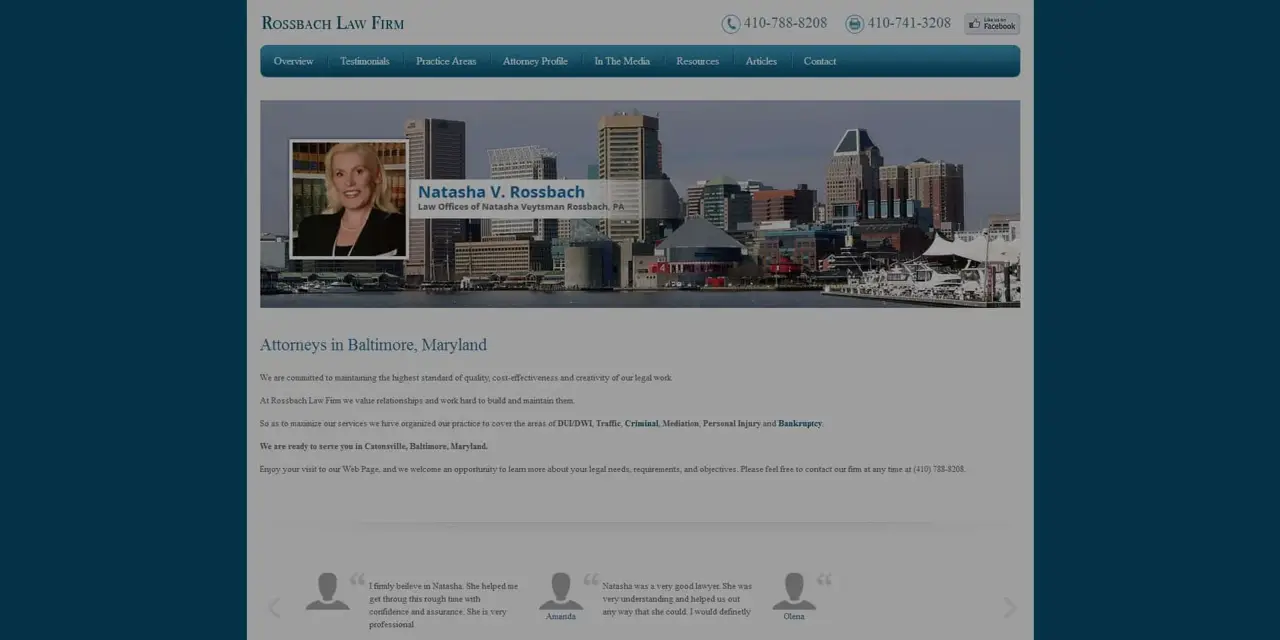
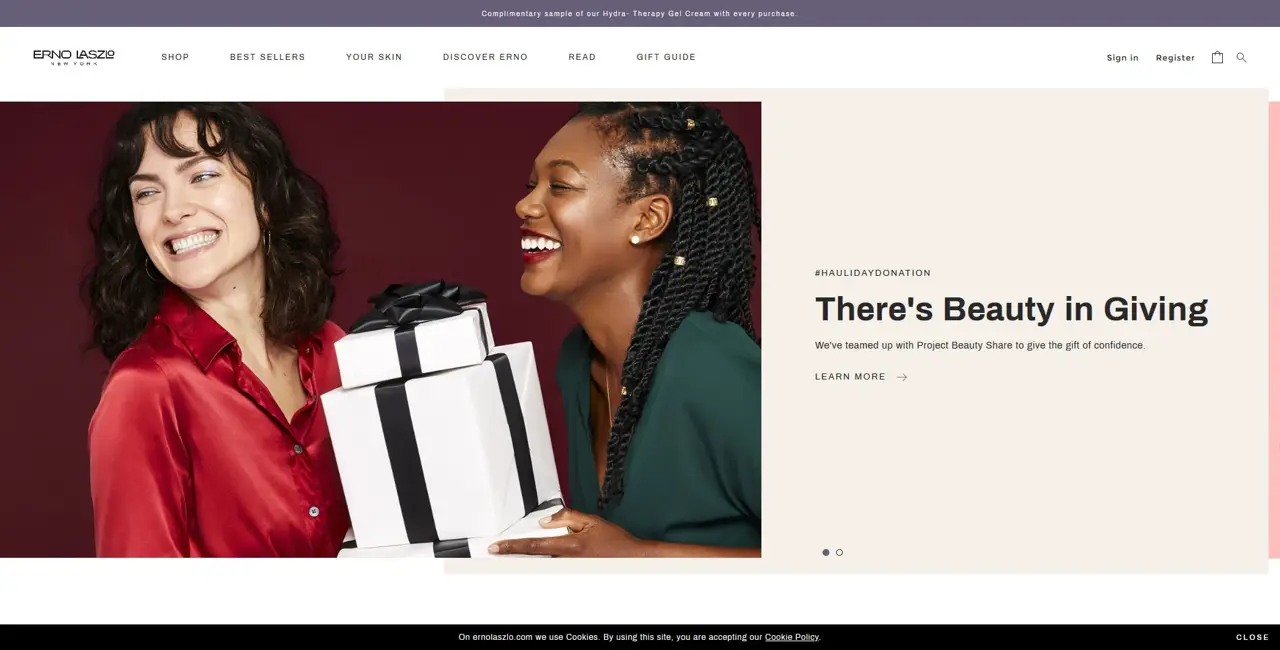
Custom storefronts built with Next.js or Hydrogen, powered by Shopify, Commerce Layer or BigCommerce — for brands that need sub-second pages, editorial freedom and experiences a theme can't deliver.
01 / 04 · Why headless
Headless separates the storefront from the commerce engine. The front end — built in Next.js or Hydrogen — fetches products, carts and content through APIs, so designers and developers can build anything while checkout, inventory and orders stay on a proven platform.
02 / 04 · Fast
Static generation, edge rendering and intelligent caching deliver product pages almost instantly, even on cellular networks — a direct lever on conversion and ad efficiency.
03 / 04 · Storytelling
A headless CMS such as Sanity or Contentful lets editors build rich stories — origins, lookbooks, guides — with products woven in, previewed live and published without developers.
04 / 04 · Done responsibly
Headless adds engineering responsibility. We plan for it: preview, SEO, analytics, app replacements, monitoring and a team that can maintain it.
Payload
Is headless worth it for you?
Commerce engine, CMS, search and hosting.
Next.js or Hydrogen front end.
Sanity, Contentful or Storyblok setup.
Search, reviews, loyalty and ERP.
Platform checkout with custom extensions.
Server-rendered, fully tracked.
Hosting, monitoring and support.
Flight plan
Goals, costs and architecture.
Experience and component design.
Storefront, CMS and integrations.
SEO, analytics, speed and QA.
Gradual traffic cutover.
Features and optimization.
Proof of flight
Mission briefing
Headless commerce decouples the customer-facing storefront from the commerce backend. The backend — Shopify, BigCommerce, Commerce Layer or another engine — manages products, pricing, carts, checkout, orders and inventory, while a separately built front end consumes those capabilities through APIs. Composable commerce extends this idea by combining specialized services for search, content, reviews and personalization.
The main benefits are performance, design freedom, editorial flexibility, omnichannel reuse of the same commerce backend and the ability to choose best-in-class tools for each function. For brands where experience and speed drive growth, these benefits can translate into higher conversion and lower acquisition costs.
Headless requires more engineering: you build and maintain the storefront, recreate features that themes and apps provided, manage hosting and handle SEO and analytics yourself. Total cost of ownership is higher than a theme-based store. We recommend headless only when the business case is clear.
Good candidates include high-revenue brands where speed gains are worth the investment, content-heavy brands with complex storytelling, businesses selling across many channels or regions, brands with unique product experiences such as configurators, and companies with in-house engineering teams to maintain the stack.
Hydrogen is Shopify's React-based framework for headless storefronts, built on Remix, with built-in commerce components and hosting on Shopify's Oxygen edge network. It's a natural choice for Shopify brands going headless, with tight integration and no separate hosting bill.
Next.js is the most widely used framework for headless commerce, with mature support for static generation, server rendering, edge functions and image optimization, and broad hosting options such as Vercel. It works with any commerce backend and suits teams already using React.
A common setup uses Shopify as the commerce engine, Next.js or Hydrogen for the storefront, Sanity for editorial content, Algolia for search, a reviews platform and Klaviyo for email, with the storefront deployed on Vercel or Oxygen's edge network. Product data flows from Shopify, content from the CMS and both are cached at the edge; when a merchandiser updates a product or editor publishes a story, webhooks trigger targeted cache refreshes so changes appear within seconds. Each piece can be replaced independently as needs change, which is the core promise of composable commerce.
Headless performance depends on caching strategy. Static pages are fast but can show stale prices or stock; fully dynamic pages are always fresh but slower. We combine incremental static regeneration, edge caching with short lifetimes and client-side updates for inventory and cart state, so pages load instantly while prices and availability stay accurate.
Theme-based stores often rely on apps that inject features into the storefront — reviews widgets, upsells, loyalty, quizzes. In a headless build those features must be integrated through APIs or rebuilt. We inventory every app during assessment, identify which offer headless-friendly APIs and plan replacements, so nothing customers rely on disappears at launch.
We estimate the revenue impact of faster pages and better experiences using your traffic, conversion data and published research on speed and conversion, then compare it with build and run costs over three years. If the numbers don't justify headless, we recommend optimizing your current theme instead — often the more profitable choice.
| Engine | Strengths | Best for |
|---|---|---|
| Shopify (Storefront API) | Reliable checkout, huge ecosystem | DTC brands going headless |
| BigCommerce | Open APIs, B2B features | B2B and multi-storefront |
| Commerce Layer | API-first, multi-market | International, composable stacks |
| Medusa / Saleor | Open source, customizable | Custom models, full control |
A headless CMS such as Sanity, Contentful, Storyblok or Payload powers editorial content and landing pages. We model content alongside product data, provide live previews and visual editing and train teams to build pages independently.
Headless storefronts often pair with dedicated search services like Algolia or Constructor for fast, typo-tolerant search, faceting and merchandising rules, along with personalization tools where data supports them.
Headless sites must handle SEO deliberately: server-side rendering or static generation for crawlability, metadata management, structured data, sitemaps, canonical URLs, redirects and Core Web Vitals. Done well, headless sites often perform better in search than theme-based stores.
We implement analytics and ad-platform conversion tracking through server-side tagging and conversion APIs, which improves data accuracy as browsers restrict third-party cookies, and ensure ecommerce events match platform order data.
Most headless builds keep the commerce platform's hosted checkout for security, payment compliance and reliability, customized with available extensions. Fully custom checkouts are possible on some engines but add PCI and maintenance considerations.
Headless doesn't have to be all-or-nothing. We can start with the highest-impact pages, such as product and landing pages, while other pages remain on the existing theme, then expand as results justify. This reduces risk and spreads investment.
With commerce available through APIs, the same backend can power mobile apps, in-store kiosks, clienteling tools, marketplaces and even voice or social commerce, keeping pricing, inventory and customer data consistent everywhere.
Headless storefronts need ongoing engineering for features, dependency updates, monitoring and performance. We offer support retainers or train your in-house team, with documentation and clean architecture that make maintenance straightforward.
Headless projects are larger investments than theme-based builds, typically spanning three to four months for a first release, plus ongoing hosting and maintenance. We start with an assessment that compares costs and expected benefits honestly.
Look for a team with production headless experience, strong front-end engineering, SEO expertise and honesty about when not to go headless. Flexus builds headless storefronts for brands across the United States.
Questions
It suits brands where speed, design freedom or omnichannel needs justify higher engineering costs; we assess honestly.
Shopify Hydrogen, Next.js with Shopify, BigCommerce, Commerce Layer and open-source engines.
Not when built with server rendering, metadata, structured data and redirects.
Usually yes, for security and reliability.
Yes, starting with high-impact pages.
Sanity, Contentful, Storyblok or Payload, depending on needs.
Typically three to four months for a first release.
We offer support plans or train your team.
Yes, well-built headless storefronts load significantly faster.
Yes, nationwide.
T-minus zero
Tell us what your theme can't do. We reply within one business day with an honest assessment.
★★★★★ 16 reviews on Google & Trustpilot
“Flexus Solutions created a custom website for my new tea business, and I couldn’t be happier with the results!”
“Definitely recommend your services to others looking for App/Website development expertise.”
“Good job guys with our app. We have been looking for a good mobile app developer for our Real Estate business and then I found Flexus Solutions.”
“Ankur and his team were a pleasure to work with.”
“Ankur gave quote that was in our budget and completed the project before projected launch date.”
“I've been working with Ankur on a huge project for some time. He has done a great job thus far.”
“I wanted to express our appreciation for the mobile application you developed for us.”
“Good job done by Ankur and his team on mobile app project. Thanks to Hrishi for his support all the time.”
“Flexus did a good job on our mobile application project. Much appreciated. Good luck guys.”
“On Time On Budget Great Service. #1 Go to for webdesign, consultation, services.”
“I have been with them for three years now and they are very professional, personable…”
“If firm is absolutely everything anyone could ask for in developing web site - attentive, personal, knowledgeable, responsive, concerned and totally engaged to get to the…”
“Very Professional guys. I loved working with Ankur on my Mobile APP Project. Delivered as expected on set milestones.”
“I have been working with Ankur on a App project the past 6 months and have found him to be creative, hard working, and fast at both grasping and contributing to concepts.”
“I have worked with Ankur for many years. He is honest, speaks perfect English and has vast knowledge.”
“Absolutely outstanding experience with Flex Solutions LLC!”
Before you go
We’ll check your site’s speed, SEO and AI-search readiness and send you a short, honest report.
Thank you! We’ll send your audit soon.