What is Graphic Design?
Graphic design is the art of visual communication that combines images, text, and ideas to convey messages effectively. It encompasses various forms, including branding, advertising, web design, and print media.
The primary goal of graphic design is to create visually appealing content that resonates with the target audience while conveying the intended message.
Why Graphic Design Matters
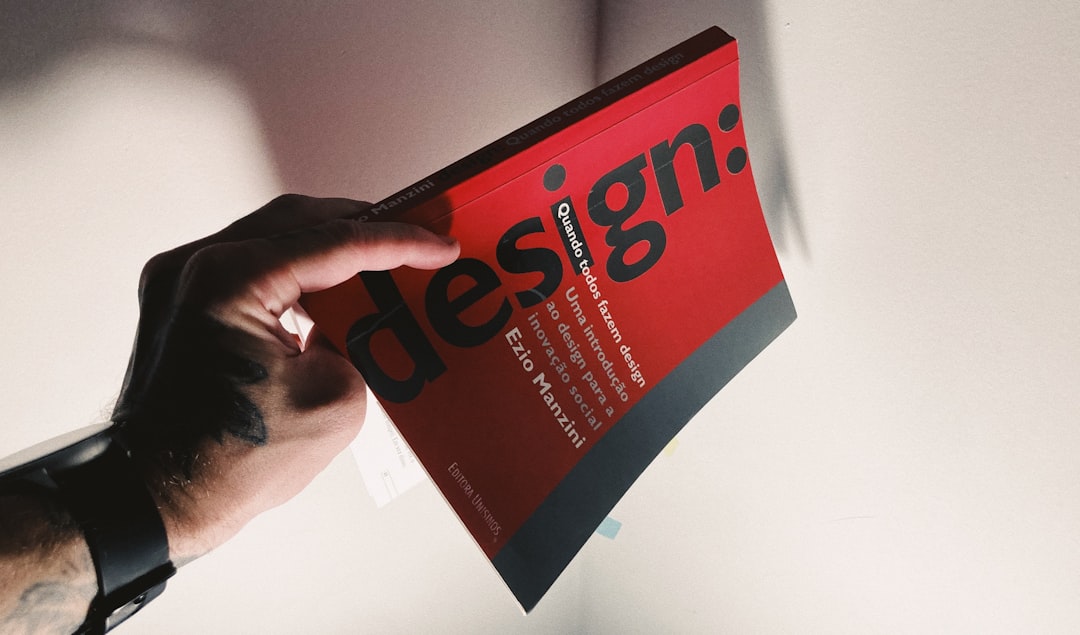
In today’s digital landscape, graphic design plays a crucial role in establishing a brand’s identity and enhancing user experience. Here are a few reasons why graphic design is essential:
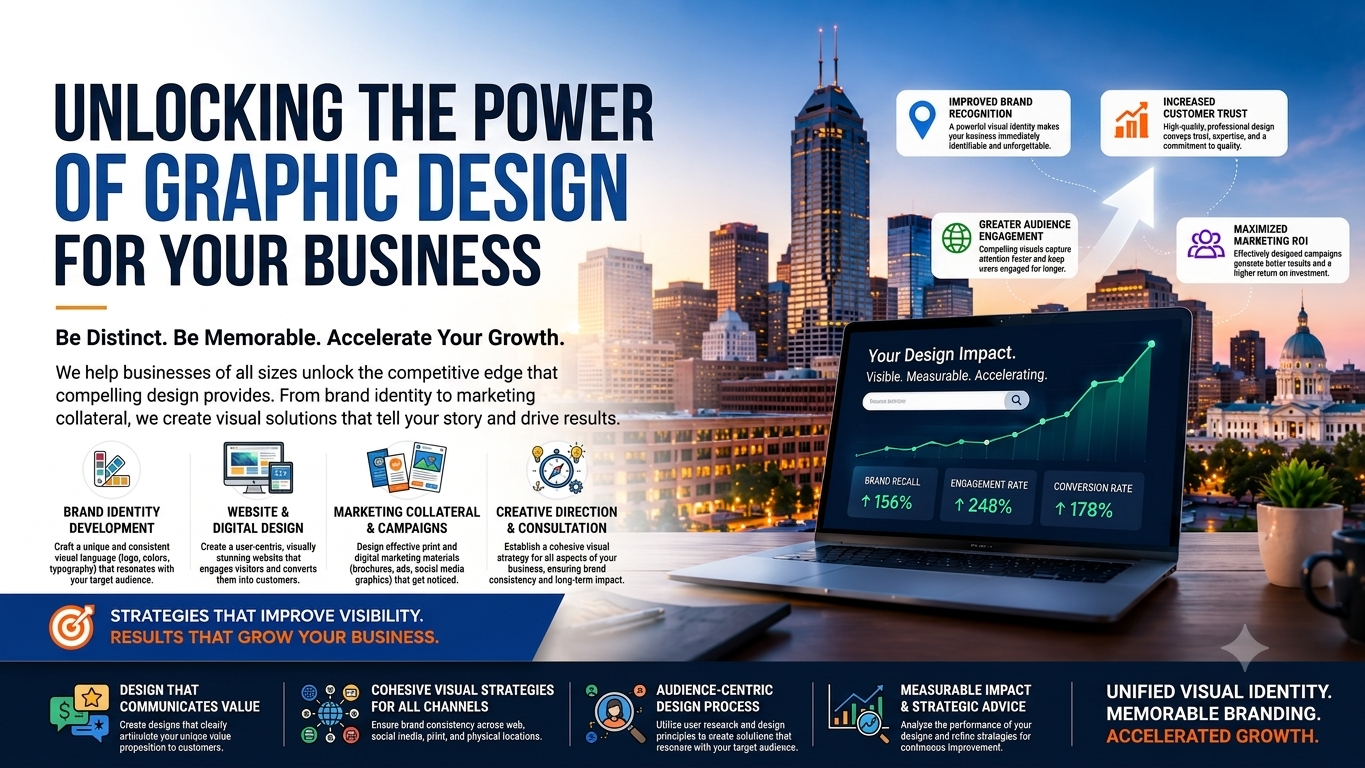
- Brand Recognition: Effective graphic design helps create a memorable brand identity that sets a business apart from its competitors.
- Improved Communication: Good design simplifies complex information, making it easier for audiences to understand messages quickly.
- Increased Engagement: Visually appealing designs attract more attention, leading to higher engagement rates across various platforms.
- Professionalism: High-quality graphic design reflects professionalism and builds trust with potential customers.
Implementing Effective Graphic Design Strategies
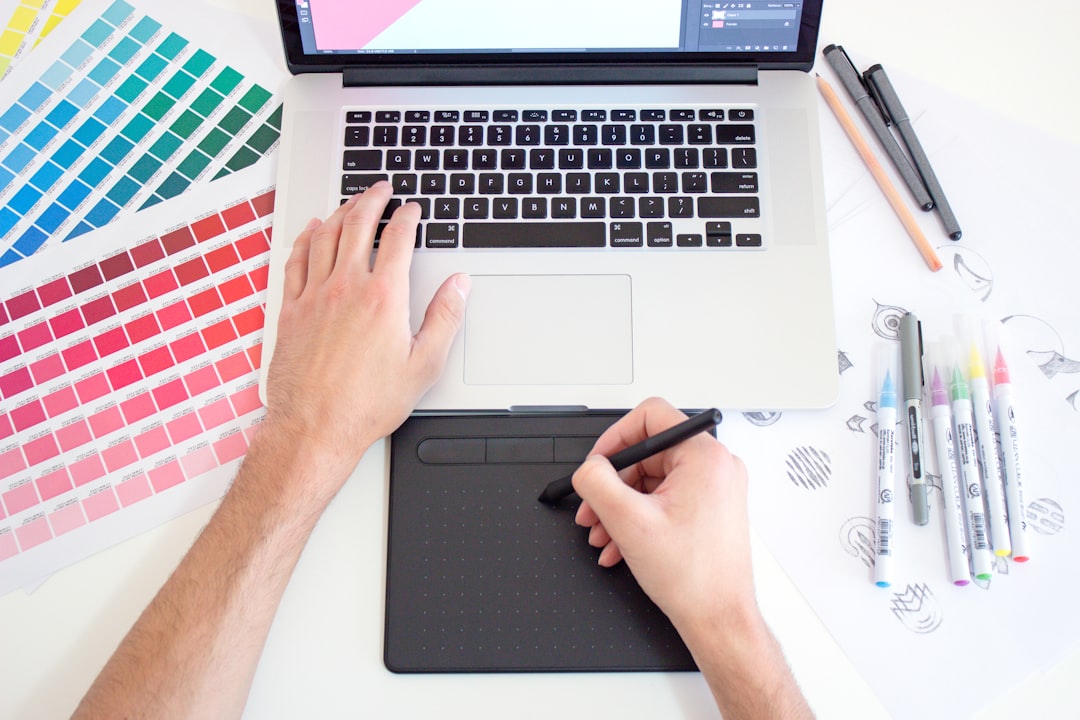
To harness the power of graphic design, businesses should consider the following strategies:
1. Define Your Brand Identity
Before diving into design, it’s essential to define your brand’s identity. This includes understanding your target audience, brand values, and the message you want to convey.
A clear brand identity will guide your design choices.
2. Choose the Right Color Palette
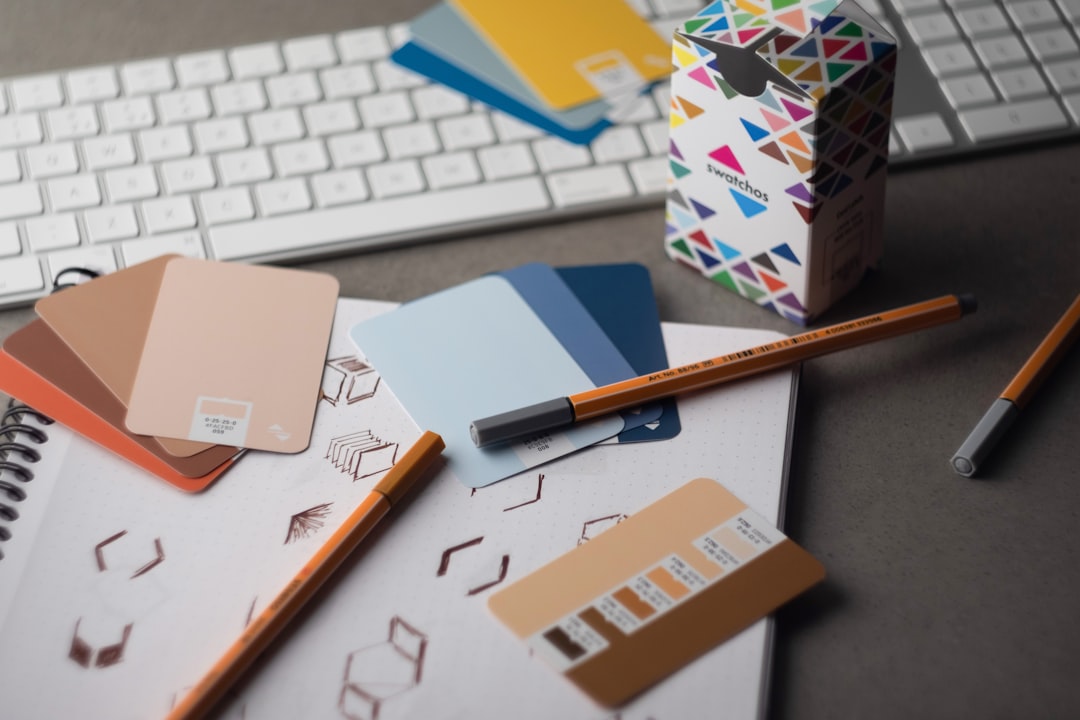
Colors evoke emotions and influence perceptions. Selecting a color palette that aligns with your brand’s personality can significantly impact your audience’s response to your designs.
For example, blue often conveys trust and professionalism, while red can evoke excitement and urgency.
3. Focus on Typography
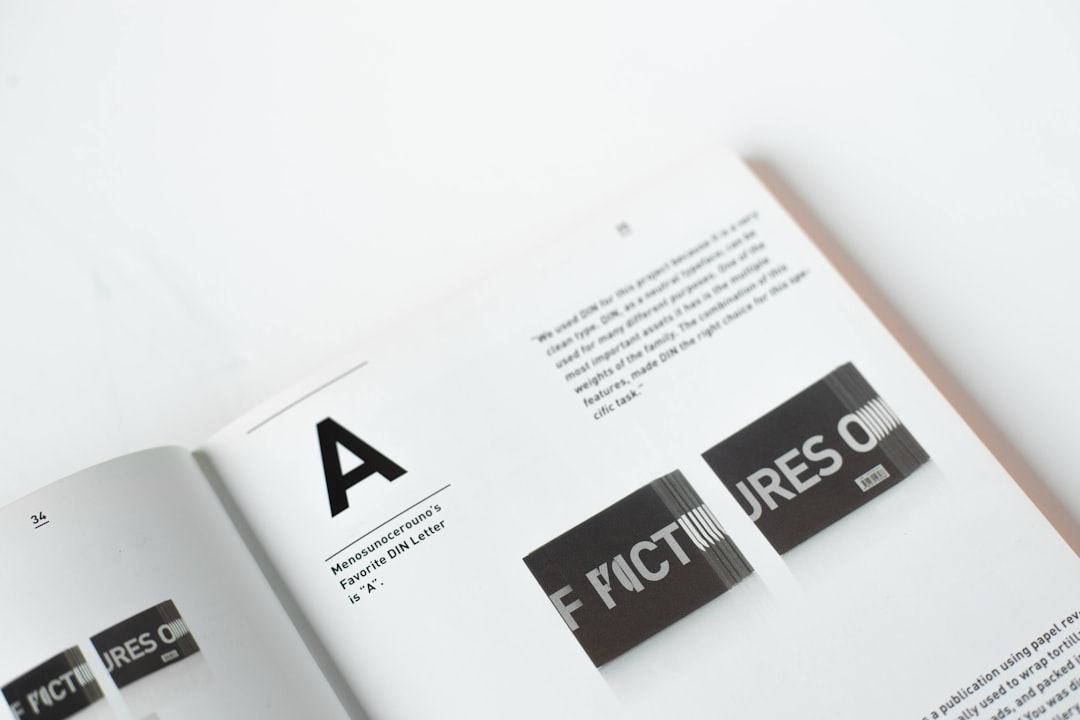
Typography is a critical element of graphic design. Choosing the right fonts can enhance readability and convey the right tone.
Ensure that your typography is consistent across all platforms. Consider using a maximum of two to three font types to maintain coherence and avoid visual clutter.
4. Utilize White Space
White space, or negative space, is the area around design elements. It helps to create balance and focus, making designs more visually appealing.
Avoid cluttering your designs, as this can overwhelm the audience. Effective use of white space can also enhance the overall aesthetic and make your content more digestible.
5. Incorporate Visual Hierarchy
Visual hierarchy guides the viewer’s eye through a design. Use size, color, and placement to emphasize the most important elements, ensuring your message is communicated effectively.
For instance, larger headlines draw attention first, while smaller text can provide additional information.
Implementation Steps for Graphic Design
To successfully implement graphic design strategies, follow these steps:
- Research: Understand your audience and competitors. Analyze what works in your industry and identify gaps where your design can stand out.
- Plan: Create a design brief outlining your goals, target audience, and key messages. This will serve as a roadmap for your design process.
- Design: Start creating your designs based on the brief. Use design software to bring your ideas to life, ensuring you adhere to your brand guidelines.
- Test: Gather feedback from stakeholders or a focus group. This step is crucial for identifying areas for improvement before the final launch.
- Launch: Once revisions are made, launch your designs across the selected platforms, ensuring consistency in branding.
- Evaluate: After launching, monitor the performance of your designs. Use analytics to assess engagement and effectiveness.
Common Graphic Design Pitfalls to Avoid
While implementing graphic design strategies, it’s crucial to avoid common pitfalls:
- Ignoring Brand Consistency: Inconsistent designs can confuse your audience and dilute your brand identity. Always adhere to your established brand guidelines.
- Overcomplicating Designs: Simplicity often leads to better communication. Avoid overly complex designs that can detract from your message.
- Neglecting Mobile Optimization: With the rise of mobile browsing, ensure your designs are responsive and look good on all devices.
- Forgetting About Accessibility: Designs should be inclusive. Consider color contrast and font size to ensure readability for all users.
Decision Criteria for Graphic Design Projects
When deciding on graphic design projects, consider the following criteria:
- Budget: Determine how much you can allocate for design. This will influence whether you hire a freelancer, agency, or opt for DIY solutions.
- Timeline: Assess how quickly you need the designs completed. Tight deadlines may require more resources or a professional touch.
- Scope: Define the project scope clearly. Understand the deliverables, such as logos, brochures, or digital assets, to avoid scope creep.
- Expertise: Evaluate whether you have the in-house skills to execute the design or if you need to hire external help.
Examples of Effective Graphic Design
Here are a few examples of effective graphic design that illustrate the principles discussed:
- Coca-Cola: The brand's consistent use of its iconic red color and unique typography creates a strong visual identity that is instantly recognizable worldwide.
- Apple: Apple's minimalist design approach emphasizes usability and sophistication, making its products visually appealing and easy to understand.
- Airbnb: The company’s design focuses on user experience, with clean layouts and engaging visuals that enhance the booking process.
Measuring the Success of Graphic Design
To determine the effectiveness of your graphic design efforts, consider the following metrics:
- Engagement Rates: Track likes, shares, comments, and overall interaction with your designs on social media and websites.
- Conversion Rates: Measure how many users take action after viewing your designs, such as signing up for a newsletter or making a purchase.
- Brand Awareness: Conduct surveys or use analytics tools to assess how well your audience recognizes your brand and its visual elements.
- Feedback: Gather qualitative feedback from customers and stakeholders to understand their perceptions of your designs.
When to Hire Help for Graphic Design
While many businesses can manage basic graphic design tasks in-house, there are times when hiring a professional is beneficial:
- Complex Projects: If your project requires advanced design skills or specialized software, consider hiring a professional designer.
- Brand Rebranding: When undergoing a rebranding initiative, a professional can provide fresh perspectives and expertise.
- Time Constraints: If your team is stretched thin, outsourcing graphic design can free up resources and ensure timely delivery.
- Quality Assurance: If you want to ensure high-quality results that align with your brand’s vision, hiring a professional can be a wise investment.
Conclusion
Graphic design is a powerful tool that can enhance your brand’s identity and improve communication with your audience. By implementing effective strategies and avoiding common mistakes, you can create designs that resonate with your target market.
Remember to measure the success of your designs and be open to hiring professional help when necessary. If you’re ready to elevate your business through graphic design, contact Flexus Solutions today to discuss how we can help you achieve your goals.
For more insights on digital marketing, check out our digital marketing services. Additionally, understanding the Website Design can provide valuable information for your graphic design projects.
FAQ
Frequently asked questions
What are the key elements of graphic design?
The key elements of graphic design include color, typography, imagery, layout, and space.
How can graphic design improve my business?
Graphic design enhances brand recognition, improves communication, increases engagement, and builds professionalism.
What software is commonly used for graphic design?
Popular software includes Adobe Photoshop, Illustrator, and InDesign, as well as Canva and Affinity Designer.
How often should I update my graphic design materials?
Regularly review and update your materials, especially during rebranding or product launches.
Can I do graphic design myself?
While DIY tools are available, hiring a professional ensures high-quality results.