Understanding Website Design in Indianapolis

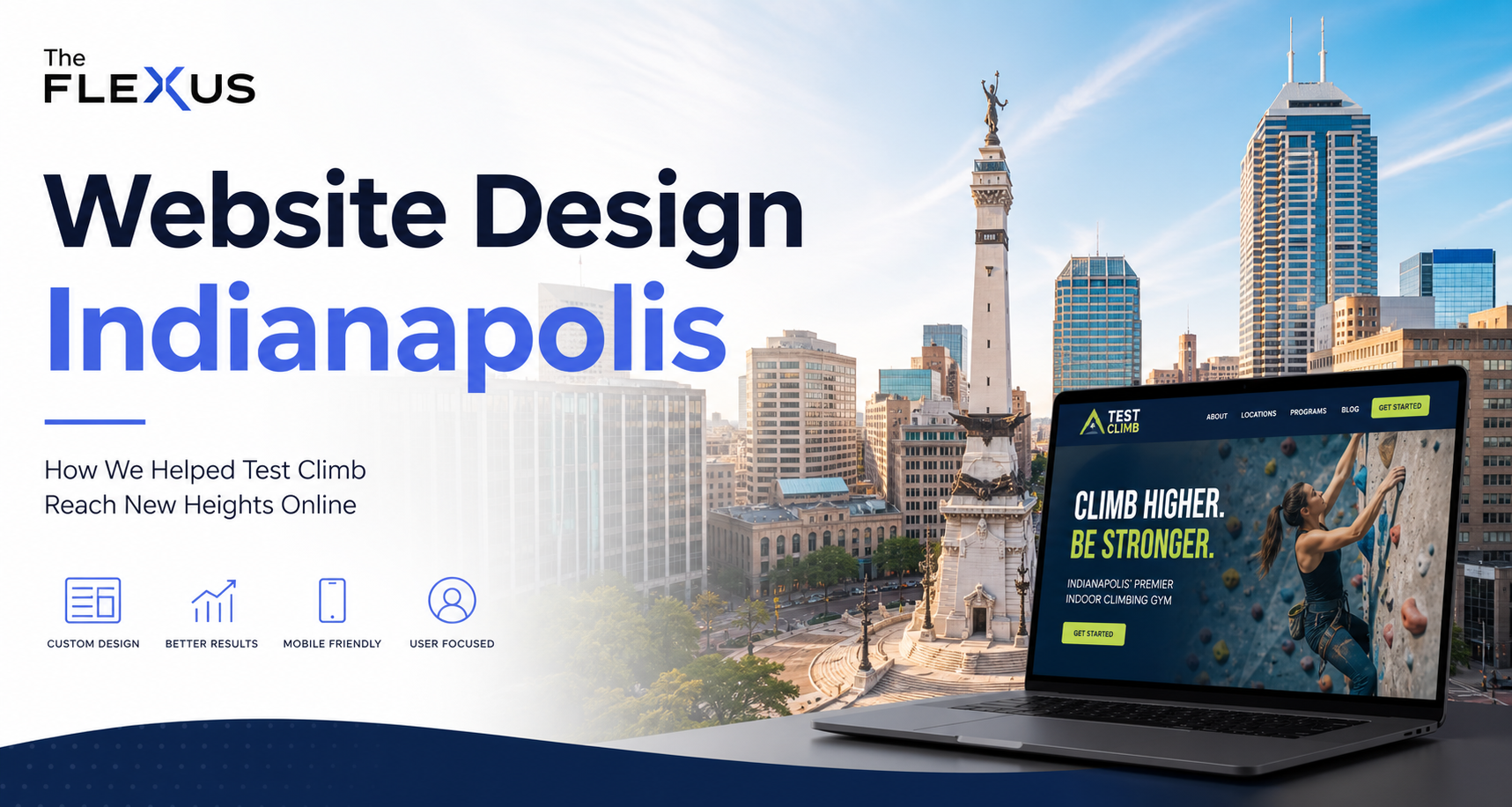
In today's digital landscape, having a well-designed website is crucial for businesses in Indianapolis. A website serves as the online face of your brand, making it essential to invest in quality website design that resonates with your target audience. This article explores the importance of website design, common pitfalls, and how to implement effective strategies to elevate your online presence.
Why Website Design Matters
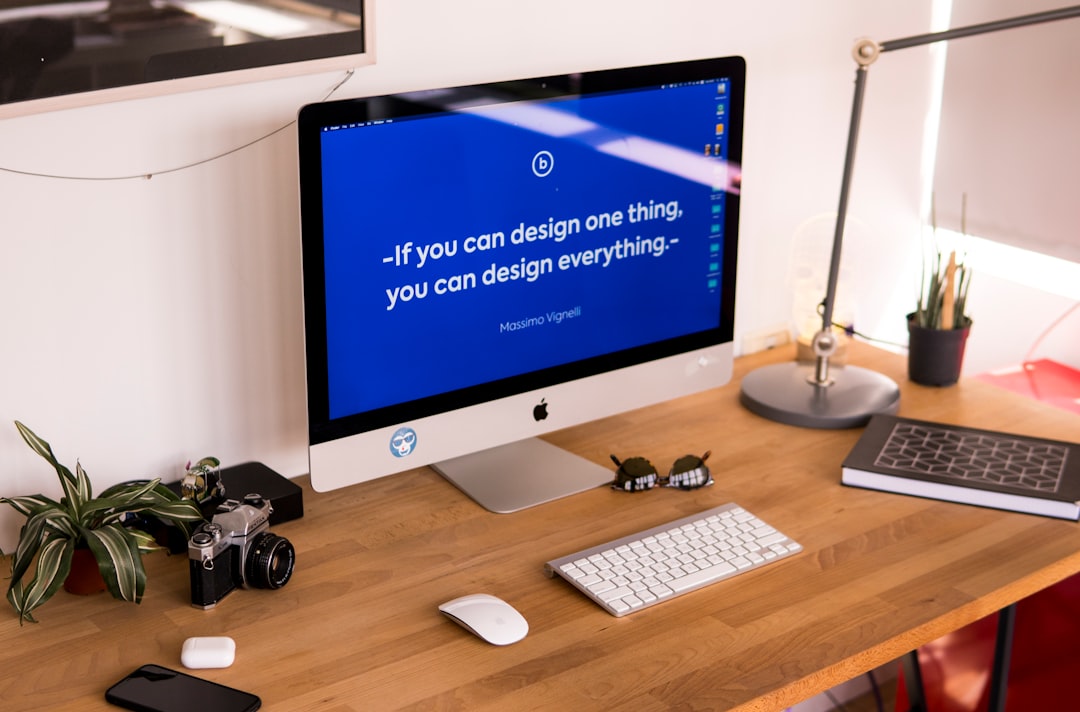
Website design is not just about aesthetics; it plays a vital role in user experience (UX) and search engine optimization (SEO). A well-structured website can lead to higher engagement rates, increased conversions, and improved search rankings. In a competitive market like Indianapolis, standing out is key. A professional website design can help you achieve that by:
- Enhancing User Experience: A user-friendly interface keeps visitors on your site longer.
- Building Credibility: A polished design instills trust in potential customers.
- Improving SEO: Well-designed sites are easier for search engines to crawl and index.
Implementing Effective Website Design Strategies

To create an impactful website, consider the following strategies:
1. Define Your Brand Identity
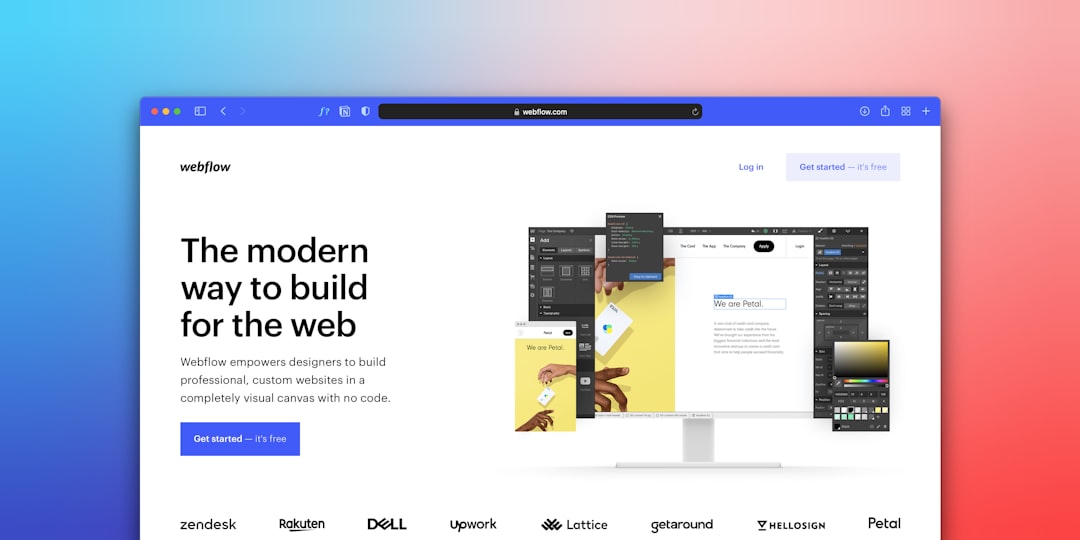
Your website should reflect your brand's personality. Use consistent colors, fonts, and imagery that align with your business values. In Indianapolis, where local culture can influence consumer preferences, integrating local elements into your design can enhance relatability.
2. Focus on Responsive Design
With the increasing use of mobile devices, responsive design is non-negotiable. Ensure your website looks great on all devices, from desktops to smartphones. This adaptability not only improves user experience but also boosts your SEO rankings.
3. Prioritize Navigation
Clear and intuitive navigation is essential. Users should easily find what they are looking for without frustration. A well-structured menu and logical page hierarchy can significantly enhance usability.
4. Optimize for Speed
Page load speed is critical. A slow website can lead to high bounce rates and lost opportunities. Optimize images, leverage browser caching, and minimize code to ensure fast loading times.
Common Mistakes to Avoid
Even seasoned designers can fall into traps. Here are common mistakes to avoid:
- Ignoring Mobile Users: Failing to optimize for mobile can alienate a significant portion of your audience.
- Overcomplicating Design: A cluttered design can confuse visitors. Keep it simple and focused.
- Neglecting SEO: Without proper SEO practices, even the best-designed website may struggle to be found online.
Implementation Steps for Effective Website Design
Implementing a successful website design involves a series of methodical steps:
1. Research and Planning
Begin by researching your target audience and competitors. Understand what works in your industry and what doesn’t. Create a sitemap to outline the structure of your website.
2. Wireframing
Create wireframes to visualize the layout of your website. This will serve as a blueprint for your design, allowing you to focus on functionality before diving into visual elements.
3. Design and Development
Once the wireframes are approved, move on to the design phase. Choose a color palette, typography, and imagery that aligns with your brand identity. After the design is finalized, start the development process, ensuring that the site is built with clean code.
4. Testing
Before launching, conduct thorough testing. Check for broken links, compatibility across different browsers, and mobile responsiveness. User testing can provide valuable feedback on the design and functionality.
5. Launch and Monitor
After testing, launch your website. Monitor its performance using analytics tools to track user behavior and engagement metrics. This data can inform future updates and improvements.
Pitfalls to Avoid in Website Design
While creating your website, be aware of common pitfalls that can hinder your success:
- Neglecting User Feedback: Ignoring user feedback can lead to a website that doesn’t meet the needs of your audience.
- Overlooking Accessibility: Ensure your website is accessible to all users, including those with disabilities. This includes using alt text for images and ensuring that your site is navigable via keyboard.
- Failing to Update Content: An outdated website can harm your credibility. Regularly update your content to keep it fresh and relevant.
Decision Criteria for Choosing a Web Design Agency
When selecting a web design agency in Indianapolis, consider the following criteria:
- Experience and Expertise: Look for agencies with a proven track record in website design and development.
- Portfolio: Review their portfolio to assess their design style and capabilities.
- Client Testimonials: Positive reviews can provide insight into the agency’s reliability and quality of work.
- Communication: Choose an agency that communicates clearly and is willing to collaborate with you throughout the process.
Examples of Effective Website Designs
To inspire your website design journey, here are a few examples of effective websites:
- Local Business Website: A local coffee shop that uses warm colors and inviting images, creating a cozy atmosphere that reflects its brand.
- E-commerce Site: An online store with a clean layout, easy navigation, and quick load times, enhancing the shopping experience.
- Portfolio Site: A designer’s portfolio that showcases their work with a minimalist design, allowing the projects to take center stage.
Measurement: Evaluating Your Website’s Performance
To ensure your website is performing effectively, regularly measure key performance indicators (KPIs):
- Traffic: Monitor the number of visitors to your site and where they are coming from.
- Bounce Rate: A high bounce rate may indicate that your website isn’t engaging visitors effectively.
- Conversion Rate: Track how many visitors complete desired actions, such as signing up for a newsletter or making a purchase.
- SEO Rankings: Regularly check your search engine rankings for relevant keywords to assess your visibility online.
When to Hire Help for Your Website Design
While DIY website design is an option, there are times when hiring a professional is the best choice:
- Complex Projects: If your website requires advanced features or integrations, a professional can ensure everything functions smoothly.
- Time Constraints: If you’re short on time, hiring a designer can help you launch your site faster.
- Lack of Expertise: If you’re unfamiliar with design principles or coding, a professional can save you from costly mistakes.
Conclusion
Investing in professional website design in Indianapolis is essential for standing out in a competitive market. By focusing on user experience, responsive design, and avoiding common pitfalls, you can create a website that not only looks great but also performs well. Implementing effective strategies, understanding the decision criteria for choosing a design agency, and measuring your website’s performance will further enhance your online presence. If you're ready to elevate your online presence, contact Flexus Solutions today for a consultation!
FAQ
Frequently asked questions
What is the average cost of website design in Indianapolis?
The cost can vary widely based on complexity, features, and the agency you choose. It's best to get a tailored quote.
How long does it take to design a website?
Typically, the process can take anywhere from a few weeks to a few months, depending on the project scope.
Can I update my website myself after it's designed?
Yes, many agencies offer content management systems (CMS) that allow you to make updates easily.
What should I look for in a web design agency?
Look for experience, a strong portfolio, and positive client testimonials. Flexus Solutions has a proven track record in Indianapolis.
Do I need to provide content for my website?
While you can provide content, many agencies also offer content creation services to help you craft compelling copy.