What is Local SEO?
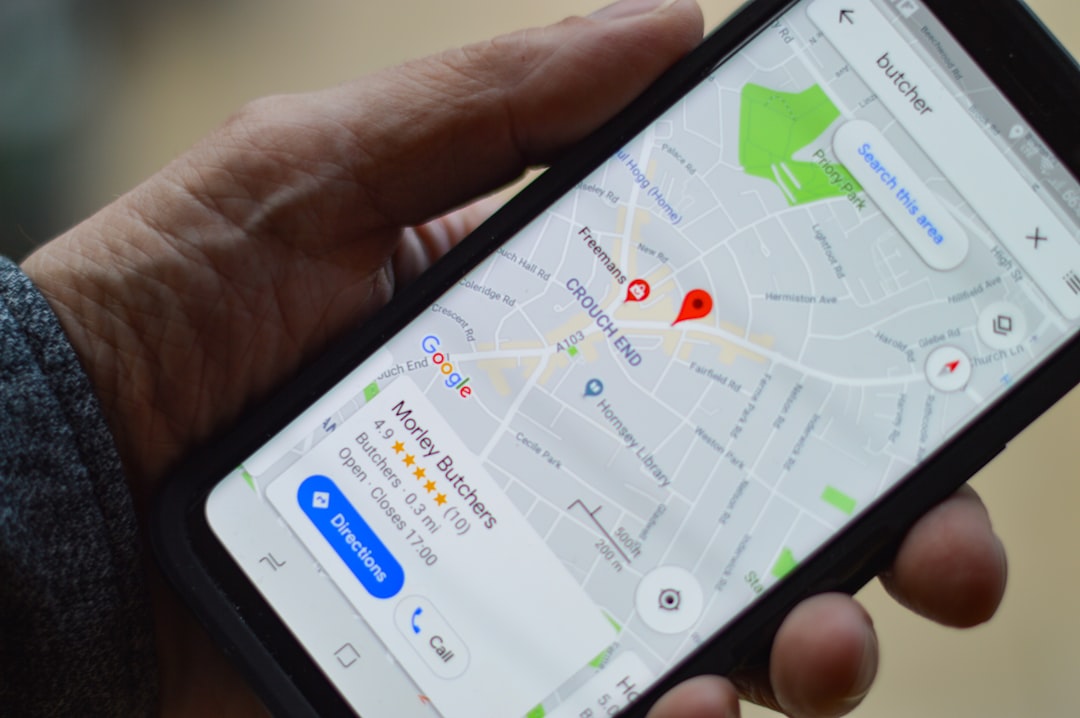
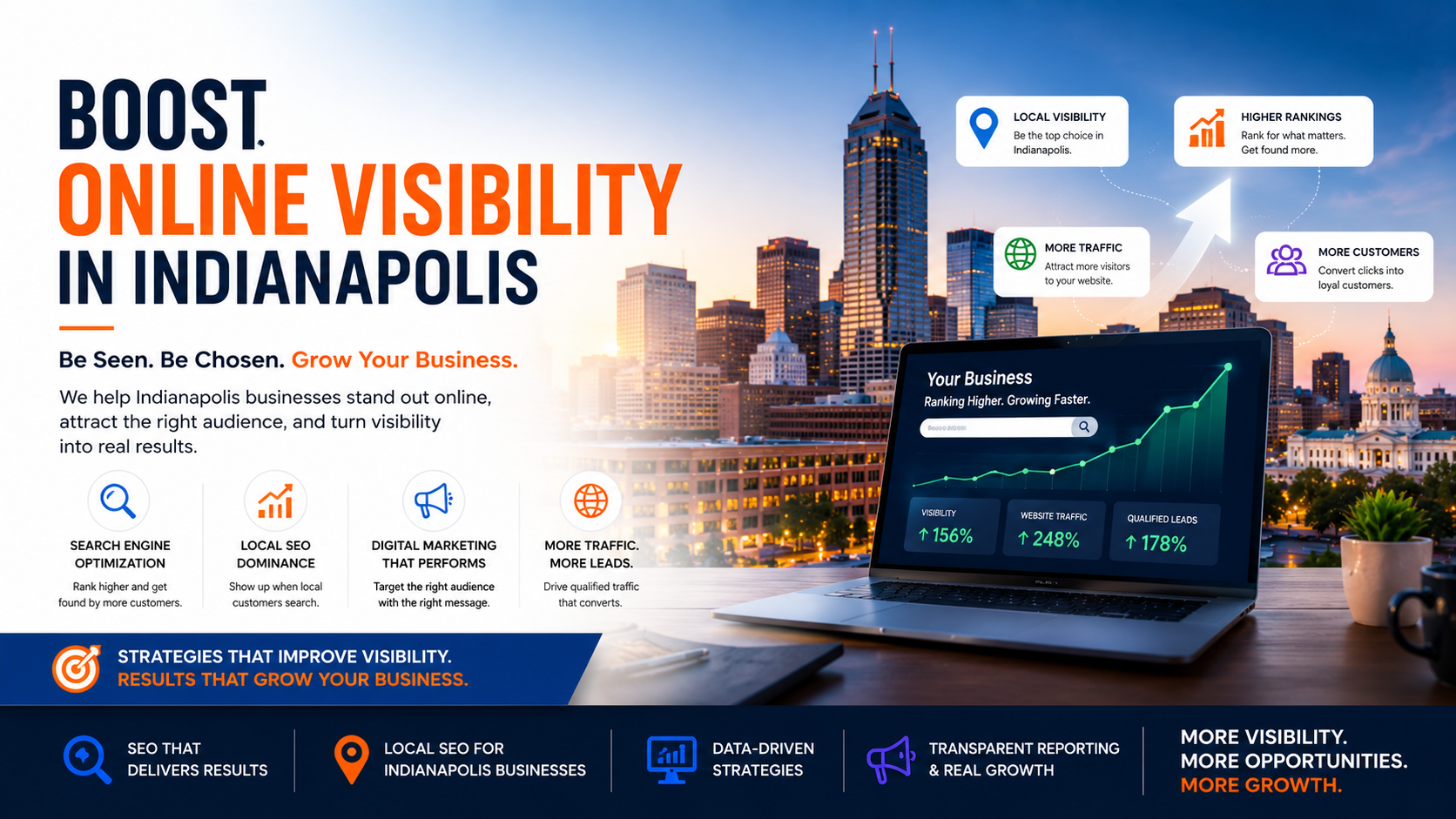
Local SEO refers to the practice of optimizing your online presence to attract more business from relevant local searches. This includes searches made on Google and other search engines by users in your area. For businesses in Indianapolis, Indiana, local SEO is crucial to ensure that you appear in search results when potential customers are looking for services you offer.
Why Local SEO Matters for Indianapolis Businesses

With the increasing reliance on the internet for finding local services, having a strong local SEO strategy can significantly impact your business's visibility. In a bustling city like Indianapolis, where competition is fierce, local SEO helps you stand out. It not only drives traffic to your website but also increases foot traffic to your physical location.
How to Implement Local SEO Strategies
Implementing local SEO involves several key strategies:
- Optimize Your Google My Business Listing: Claim and verify your Google My Business (GMB) listing. Ensure that your business information is accurate, including your address, phone number, and business hours. Regularly update your listing with posts, photos, and customer reviews.
- Use Local Keywords: Incorporate local keywords into your website content. For instance, instead of just using “digital marketing,” use “digital marketing in Indianapolis.” This helps search engines understand your business's location and relevance.
- Encourage Customer Reviews: Positive reviews can enhance your local SEO. Encourage satisfied customers to leave reviews on your GMB listing and other review platforms. Responding to reviews also shows potential customers that you value feedback.
- Create Local Content: Develop content that speaks to local events, news, or activities in Indianapolis. This could include blog posts about local industry trends or community involvement.
- Build Local Citations: Ensure your business information is consistent across all online directories. This includes Yelp, Yellow Pages, and local business directories. Consistency helps improve your local search rankings.
Implementation Steps for Local SEO

To effectively implement local SEO strategies, follow these steps:
- Conduct a Local SEO Audit: Evaluate your current online presence. Check your website, GMB listing, and local citations for accuracy and completeness.
- Keyword Research: Identify local keywords relevant to your business. Use tools like Google Keyword Planner or SEMrush to find terms that potential customers are searching for.
- Optimize Your Website: Ensure your website is optimized for local search. This includes adding location-based keywords in titles, headers, and meta descriptions.
- Engage with the Community: Participate in local events or sponsor local charities. This not only builds your reputation but can also lead to backlinks from local news outlets and blogs.
- Monitor Your Progress: Use tools like Google Analytics and Google Search Console to track your website’s performance and adjust your strategies as needed.
Pitfalls to Avoid in Local SEO
While implementing local SEO, be aware of common pitfalls that can hinder your efforts:
- Neglecting Mobile Optimization: With many users searching on mobile devices, ensure your website is mobile-friendly. A poor mobile experience can lead to high bounce rates.
- Ignoring NAP Consistency: Your Name, Address, and Phone number (NAP) should be consistent across all platforms. Inconsistencies can confuse search engines and hurt your rankings.
- Forgetting About Local Link Building: Building relationships with other local businesses and getting backlinks can significantly improve your local SEO.
- Overlooking Social Media: Not leveraging social media can limit your reach. Engage with your audience on platforms like Facebook and Instagram to enhance your local presence.
Decision Criteria for Local SEO Strategies
When deciding on local SEO strategies, consider the following criteria:
- Business Goals: Align your local SEO efforts with your overall business objectives. Are you looking to increase foot traffic, online sales, or brand awareness?
- Target Audience: Understand your audience's behavior and preferences. Tailor your local SEO strategies to meet their needs and expectations.
- Budget: Assess your budget for local SEO. Determine if you can handle it in-house or if you need to hire an expert.
- Time Commitment: Evaluate how much time you can dedicate to implementing and managing local SEO strategies. Consistency is key in local SEO.
Examples of Successful Local SEO
Here are a few examples of businesses that have successfully implemented local SEO strategies:
- A Local Coffee Shop: By optimizing their GMB listing and encouraging customers to leave reviews, a local coffee shop increased foot traffic by 30% within six months.
- A Home Services Company: A plumbing company created blog content around local plumbing issues and participated in community events, resulting in a significant increase in local search visibility and customer inquiries.
- A Boutique Retail Store: By utilizing local keywords and engaging with local influencers on social media, a boutique saw a 50% increase in online sales from local customers.
Measurement of Local SEO Success
To determine the effectiveness of your local SEO efforts, consider the following metrics:
- Website Traffic: Monitor the number of visitors coming from local searches. Tools like Google Analytics can help track this data.
- Search Engine Rankings: Keep an eye on your rankings for targeted local keywords. Tools like Moz or Ahrefs can provide insights into your performance.
- Conversion Rates: Measure how many visitors take desired actions, such as making a purchase or filling out a contact form.
- Customer Engagement: Track engagement on your GMB listing and social media platforms, including likes, shares, and comments.
When to Hire Help for Local SEO
While many businesses can manage their local SEO efforts, there are times when hiring a professional may be beneficial:
- Lack of Time: If you find it challenging to dedicate time to local SEO, consider hiring an expert who can manage your strategies effectively.
- Complexity of Strategies: If your business operates in a competitive niche or requires advanced SEO techniques, professional help can provide the expertise needed to succeed.
- Limited Knowledge: If you're unfamiliar with SEO best practices, hiring a local SEO agency can save you from costly mistakes and ensure you implement effective strategies.
Conclusion
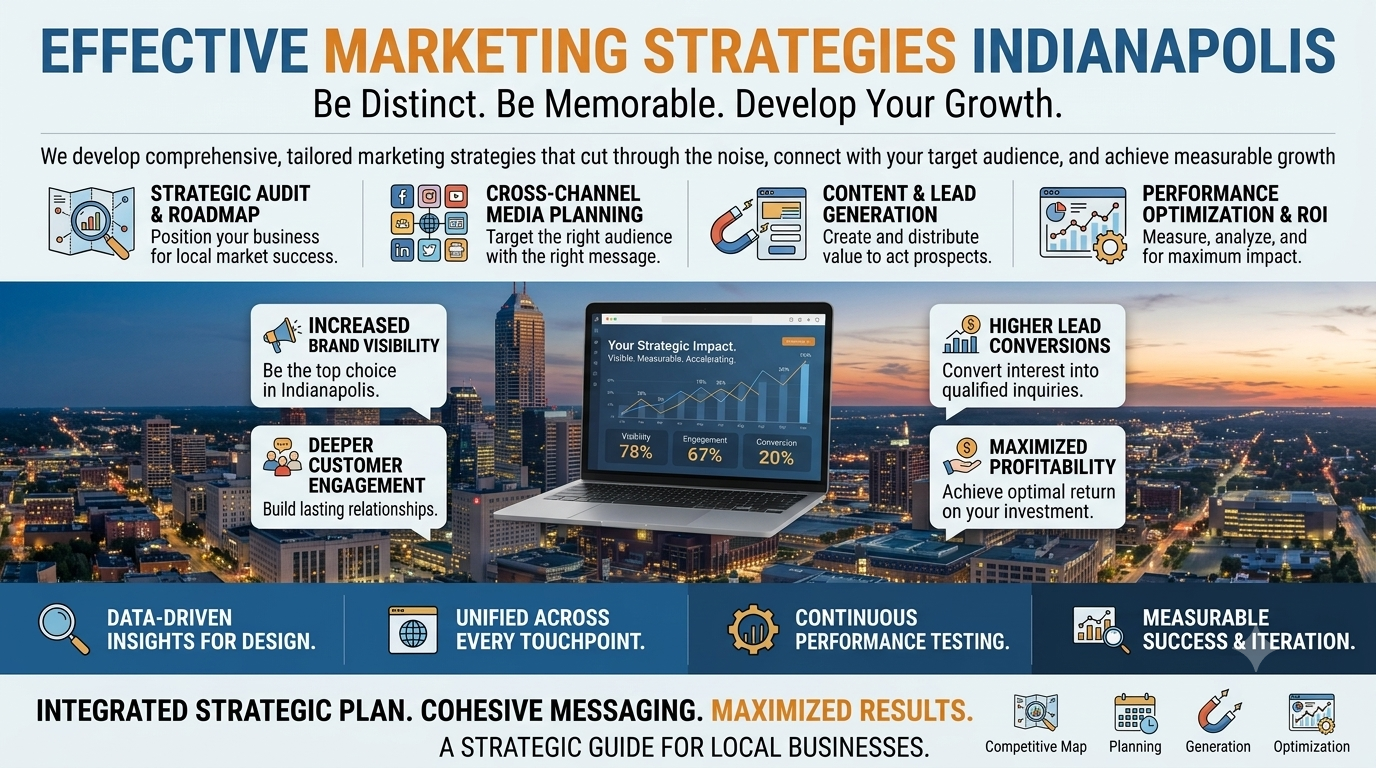
Local SEO is an essential aspect of digital marketing for businesses in Indianapolis. By optimizing your online presence, you can attract more local customers and improve your visibility in search results. Whether you choose to implement these strategies in-house or hire an expert, the benefits of local SEO are undeniable. If you’re looking to enhance your local SEO strategy, contact Flexus Solutions today to discuss how we can help your business grow.
FAQ
Frequently asked questions
How long does it take to see results from local SEO?
Results can vary, but typically, businesses may start to see changes within 3 to 6 months of implementing a local SEO strategy.
Is local SEO only for brick-and-mortar businesses?
No, local SEO can benefit any business that serves a specific geographic area, including service-based businesses.
How important are online reviews for local SEO?
Online reviews are crucial as they influence rankings and consumer trust. More positive reviews can lead to better visibility.
Can I do local SEO myself?
Yes, but hiring an expert can save time and ensure that you implement effective strategies tailored to your business.
What role does social media play in local SEO?
Social media can enhance your online presence and drive traffic to your website, which can indirectly benefit your local SEO efforts.