Operators and merchandisers in Chicago need practical, conversion-focused development that fits local customers and regional logistics. This guide explains what custom Shopify solutions Chicago means for stores, teams, and decision makers at every stage of growth.
If you manage a boutique, regional brand, or multi-location retailer in Chicago, these notes surface trade-offs, delivery process, and an action checklist tied to Flexus Solutions’ U.S. + India delivery model and 18+ years of digital experience.
Short Summary
- Point: custom Shopify solutions Chicago centers on conversion, localization, and extensibility for Illinois customers.
- When: ideal for Chicago retailers scaling online sales or replacing rigid templates.
- Benefits: improved conversion, tailored UX, local fulfillment integration.
- Costs: higher initial investment versus out-of-the-box themes; long-term ROI depends on migration and measurement.
- Next step: audit storefront performance and local fulfillment needs before scoping.
18+years delivering digital work
What custom Shopify solutions Chicago really means for operators
For Chicago-based retailers, custom Shopify solutions Chicago means building a storefront and backend that reflect local buying behavior, shipping corridors across Illinois, and downtown-to-suburb fulfillment constraints. The goal is not merely a branded theme but measurable uplift in conversion and operational reliability.
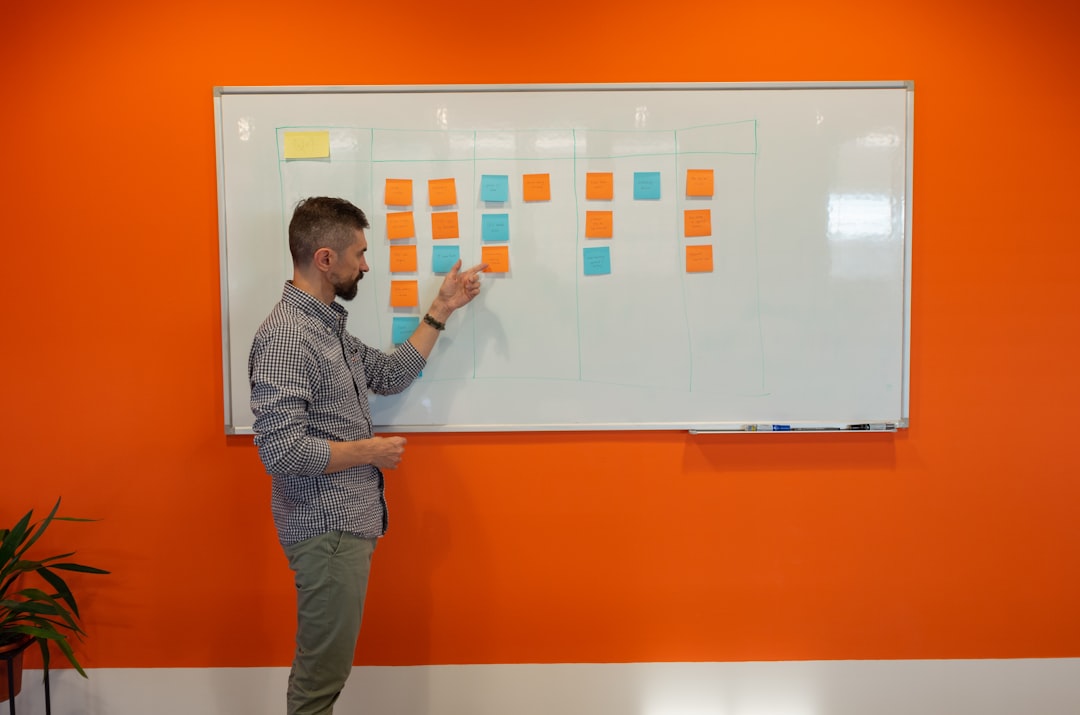 Operators map priorities before choosing a path
Stakes: poorly scoped customization wastes budget and slows time-to-revenue. A solution that ignores local constraints — taxes, pickup zones, or neighborhood shipping times — yields cart abandonment and support tickets. Conversely, a focused custom build reduces friction at checkout, supports pickup and returns workflows across neighborhoods like Lincoln Park, Wicker Park, and Near West Side, and enables targeted promos for Chicago ZIP clusters.
Concrete operator problems a custom Shopify approach solves:
- Fragmented UX across desktop and mobile causing drop-offs in local search conversions.
- Manual fulfillment processes that don't scale across warehouses or Chicago-area pickup points.
- Slow page speeds from overloaded apps and poor theme architecture.
- Inability to run region-specific promotions or integrate local analytics for Chicago markets.
Practical benefits and trade-offs
Custom Shopify work delivers measurable benefits but requires clear decision criteria. Benefits include bespoke UX, faster pages, deeper integrations, and a maintainable codebase tailored to local operations across the Chicago metro area.
 Comparing options against delivery constraints
Trade-offs and decision criteria:
- Time vs. impact: Templates get you live quickly; custom builds take longer but unlock higher conversion and advanced features like complex shipping matrices or POS integrations across multiple Chicago locations.
- Cost vs. ownership: Custom work requires larger upfront investment and governance (version control, staging). Long-term, it reduces app dependency costs and maintenance surprises.
- Flexibility vs. complexity: Tailored features (bundles, subscriptions, localized storefronts) increase code complexity—choose a modular architecture and clear API boundaries.
Decision checklist
- Are local fulfillment or pickup zones essential for your customer experience?
- Do you need advanced merchandizing (bundles, dynamic kits, or membership tiers) that off-the-shelf apps cannot support cleanly?
- Is page speed a current blocker for organic and paid traffic performance in Chicago?
- Do operations require integrations with regional carriers, POS systems, or ERP platforms?
How Flexus approaches delivery
Flexus applies a phased, testable delivery path tuned for U.S. clients with offshore engineering: discovery, iterative development, QA, and measured launch. Our Indianapolis base and U.S. + India delivery model balance client-facing collaboration with technical capacity for predictable budgets.
 Cross-functional delivery from design through build
Process highlights:
- Discovery & audit: performance baseline, revenue-impact features, and local fulfillment mapping. We map Chicago ZIPs, pickup zones, and return flows to technical requirements.
- Prioritized roadmap: split the project into an MVP (checkout UX, local shipping, performance) and secondary phases (custom merchandising, headless search).
- Design & prototyping: mobile-first templates, local content blocks (pickup banners, neighborhood promos), and accessibility checks for public transit users.
- Development & staging: theme architecture using Shopify’s recommended patterns, modular apps for extensibility, and unit/integration tests. We maintain a staging site for Chicago-specific QA cycles.
- Launch & measurement: phased rollout with feature flags, analytics setup, and targeted A/B tests for local audiences.
Example delivery choices we often make for Chicago projects:
- Implement geotargeted messaging for conditional shipping or in-store pickup availability.
- Integrate with regional carriers and pickup lockers or local courier services.
- Prefer server-side rendering and image optimization to cut mobile load times in urban mobile networks.
Key points
When evaluating custom Shopify solutions Chicago, remember these practical takeaways.
Tip: Start with a 90-day MVP that protects checkout performance and local fulfillment. Add merchandising and personalization once baseline KPIs improve.
- Local-first requirements: embed Chicago-specific shipping, taxes, and pickup flows in scope.
- Measured rollout: use progressive delivery and feature flags to isolate risk in busy retail seasons.
- Maintainability: prefer modular code and documented APIs so your Chicago team (or a new vendor) can iterate safely.
External reference for Shopify best practices: Shopify developer documentation.
Implementation checklist
This checklist is procedural: run it with your tech lead and operations manager to convert discovery into launch tasks.
 A practical checklist keeps launches on track
- Assess current storefront: capture page load metrics, mobile LCP, and checkout abandonment for Chicago-referrer traffic.
- Map fulfillment: list warehouses, pickup locations, and carrier options serving Cook County and surrounding suburbs.
- Define MVP scope: prioritize checkout performance, local pickup, neighborhood promos, and core product pages.
- Choose architecture: theme-based vs headless. For most Chicago merchants focused on speed and maintainability, a modular theme with selective headless services works best.
- Plan integrations: inventory sync, POS, tax calculation, and shipping APIs. Confirm API rate limits and SLA for local carriers.
- Design & accessibility: mobile-first templates, clear pickup badges, and accessible forms for users on public transit or assistive devices.
- QA plan: include Chicago-specific test cases: ZIP-based shipping, promo eligibility by neighborhood, and pickup time windows.
- Launch & monitor: rollout using feature flags, monitor revenue and error budgets, and schedule 30/60/90-day optimization sprints.
Conclusion
Custom Shopify solutions Chicago is about building a storefront that reflects local buyer behavior and reduces operational friction across Chicago neighborhoods and suburbs. The right balance of customization, architecture, and rollout discipline produces measurable increases in conversion and long-term maintainability.
Flexus Solutions—an Indianapolis agency with U.S. + India delivery and 18+ years of experience—focuses on conversion-ready builds and predictable launches for regional retailers. To discuss a scoped approach for your Chicago storefront, review our Shopify development services or setup an appointment.
FAQ
Frequently asked questions
What should I look for in custom Shopify solutions Chicago?
Prioritize measurable conversion improvements (page speed and checkout flow), local fulfillment and pickup support for Chicago ZIPs, maintainable code, and integrations with your POS and shipping partners. Ensure the scope includes testing for neighborhood-specific promos and pickup availability.
How does Flexus help with this?
Flexus runs a discovery audit, builds a prioritized roadmap, and delivers modular Shopify themes or headless components. We combine client-facing work from our Indianapolis team with development capacity in India for predictable budgets and 18+ years of digital experience.
How long does a typical project take?
An MVP focused on checkout performance and local fulfillment typically takes 8–12 weeks. More complex integrations, headless implementations, or large catalog migrations can extend to 16–24 weeks depending on scope and data readiness.
How do I get started?
Begin with a storefront audit and a short discovery workshop to identify local requirements and KPIs. From there, scope a 90-day MVP that addresses checkout and fulfillment, then plan iterative phases for merchandising and personalization. You can also review our work at /services/ecommerce/shopify-development/ and request a proposal.