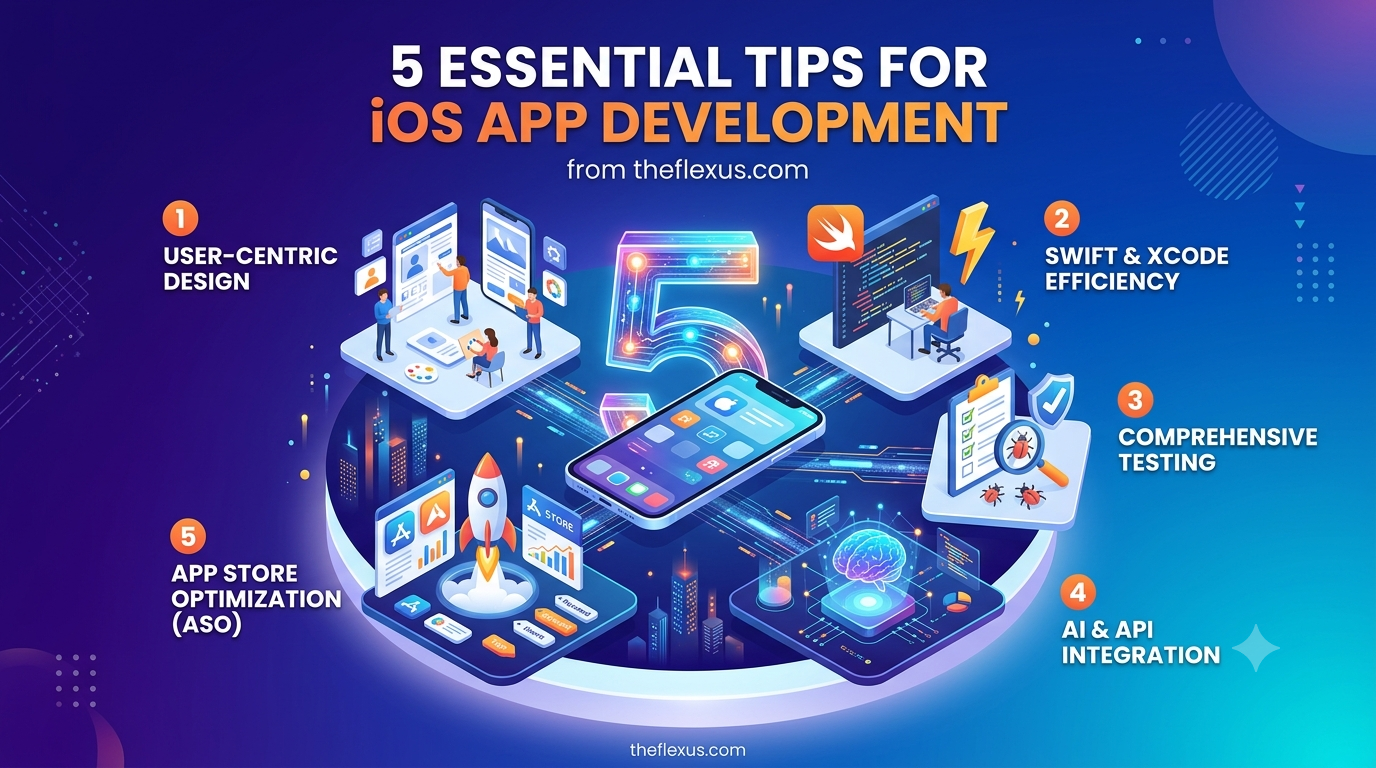
Introduction to iOS App Development
In today's digital landscape, iOS app development has become a crucial element for businesses seeking to engage their customers effectively. With millions of apps available on the App Store, standing out requires a strategic approach. This article will explore five essential tips that can help you navigate the complexities of iOS app development and ensure your app's success.
1. Understand Your Target Audience

Before diving into development, it's vital to understand who your target audience is. Conduct market research to identify their preferences, pain points, and behaviors. This knowledge will guide your app's design and functionality, ensuring it meets user expectations. Tailoring your app to your audience not only enhances user satisfaction but also increases retention rates.
2. Prioritize User Experience (UX)

User experience is paramount in iOS app development. A well-designed app should be intuitive, responsive, and visually appealing. Focus on creating a seamless navigation experience, minimizing loading times, and ensuring that users can easily find what they need. Incorporating user feedback during the design phase can provide valuable insights that enhance the overall experience.
3. Leverage the Latest iOS Features
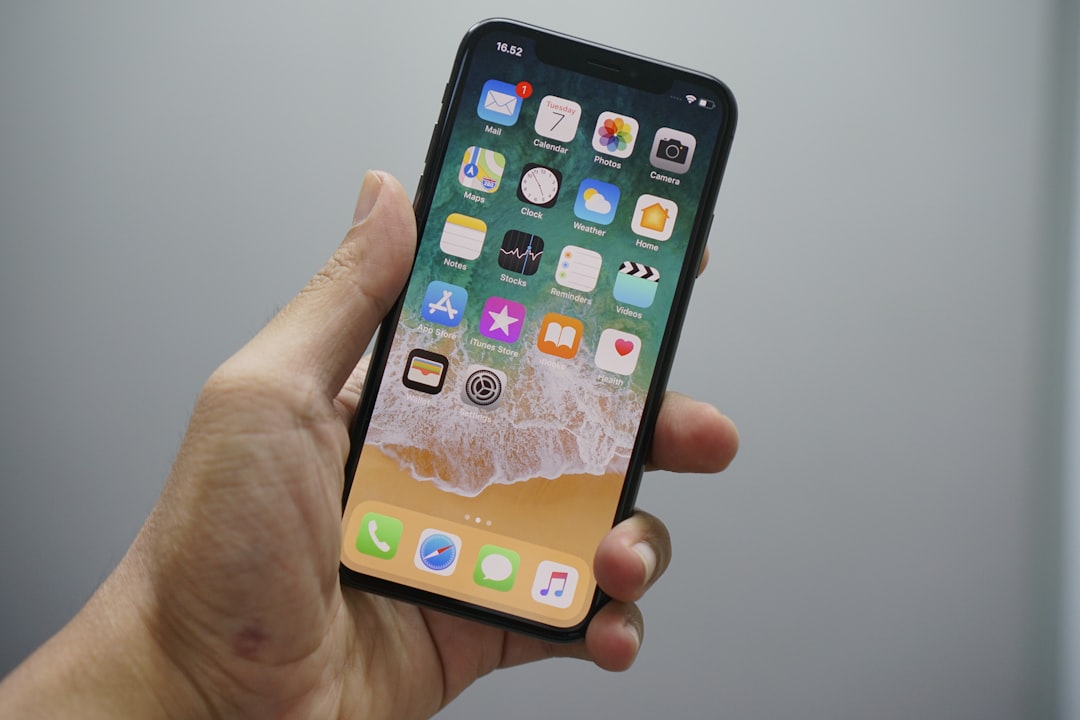
Apple frequently updates its iOS platform with new features and capabilities. Staying informed about these updates allows you to leverage the latest technologies, such as ARKit for augmented reality or SwiftUI for streamlined UI development. By integrating these features, you can enhance your app's functionality and offer users a unique experience that sets your app apart from the competition.
4. Ensure Robust Security Measures

Security is a critical concern for app users, especially when handling sensitive information. Implementing robust security measures, such as data encryption and secure authentication, is essential to protect user data. Regularly updating your app to address vulnerabilities and comply with security standards will build trust with your users and enhance your app's reputation.
5. Test Thoroughly Before Launch

Testing is a crucial step in the iOS app development process. Conduct thorough testing across various devices and iOS versions to identify and fix bugs before launch. Consider beta testing with a select group of users to gather feedback on performance and usability. This proactive approach will help you deliver a polished product that meets user expectations from day one.
Implementation Steps for iOS App Development

Once you have a clear understanding of your target audience and have prioritized user experience, it's time to move on to the implementation phase. Here are key steps to consider:
- Define Your App's Purpose: Clearly outline what problem your app solves or what value it offers to users.
- Choose the Right Development Tools: Depending on your app's requirements, select appropriate tools and technologies, such as Swift or Objective-C, and consider using Xcode as your integrated development environment (IDE).
- Design Wireframes and Prototypes: Create wireframes to visualize the app's layout and functionality. Prototyping tools can help you develop interactive versions of your app for user testing.
- Develop the App: Start coding the app based on your designs. Ensure to follow best practices for coding and maintain a clean codebase.
- Conduct Regular Testing: Integrate testing into your development process to catch issues early. Use unit tests, integration tests, and UI tests to ensure quality.
- Prepare for App Store Submission: Follow Apple's guidelines for app submission, including preparing necessary metadata and ensuring compliance with App Store Review Guidelines.
Pitfalls to Avoid in iOS App Development
While developing an iOS app, there are common pitfalls that can hinder your success. Here are some to watch out for:
- Neglecting User Feedback: Failing to incorporate user feedback can result in an app that does not meet user needs. Regularly seek input and be willing to make changes based on it.
- Overcomplicating Features: Avoid adding too many features that can overwhelm users. Focus on core functionalities that deliver value.
- Ignoring App Store Optimization (ASO): Not optimizing your app's title, description, and keywords can lead to poor visibility in the App Store. Invest time in ASO strategies to improve discoverability.
- Underestimating Maintenance Needs: Post-launch maintenance is crucial for fixing bugs, updating features, and ensuring compatibility with new iOS versions. Plan for ongoing support.
Decision Criteria for iOS App Development
When deciding to develop an iOS app, consider the following criteria:
- Business Goals: Align your app development with your overall business objectives. Determine how the app will contribute to your growth.
- Target Audience: Assess whether your target audience predominantly uses iOS devices and if an iOS app is the right choice for them.
- Budget and Resources: Evaluate your budget and available resources. Determine if you have the necessary skills in-house or if you need to hire additional help.
- Timeframe: Consider your timeline for development. Ensure you can allocate sufficient time for each phase of the process.
Examples of Successful iOS Apps
To inspire your iOS app development journey, here are a few examples of successful apps:
- Instagram: A photo-sharing app that revolutionized social media by focusing on user experience and visual content.
- Uber: This ride-sharing app transformed transportation by leveraging GPS technology and user-friendly design.
- Spotify: A music streaming service that offers personalized playlists and a seamless listening experience.
Measurement: Analyzing Your App's Success
Once your app is live, measuring its success is vital. Here are key metrics to track:
- Downloads: Monitor the number of downloads to gauge interest and reach.
- User Engagement: Track metrics such as session length, frequency of use, and in-app actions to understand how users interact with your app.
- Retention Rate: Measure how many users return to your app after their first use. High retention indicates user satisfaction.
- App Store Ratings and Reviews: Pay attention to user feedback and ratings in the App Store to identify areas for improvement.
When to Hire Help for iOS App Development
Deciding whether to hire external help for your iOS app development can be challenging. Here are some scenarios where seeking professional assistance may be beneficial:
- Lack of In-House Expertise: If your team lacks the necessary skills in iOS development, hiring experts can ensure a high-quality product.
- Complex Features: If your app requires advanced functionalities, such as integration with third-party services or complex algorithms, consider hiring specialists.
- Time Constraints: If you're facing tight deadlines, bringing in experienced developers can expedite the process.
- Ongoing Maintenance Needs: If you anticipate needing regular updates and support, a development agency can provide ongoing assistance.
Conclusion
In conclusion, successful iOS app development hinges on understanding your audience, prioritizing user experience, leveraging new features, ensuring security, and thorough testing. By following these essential tips and considering the implementation steps, pitfalls, decision criteria, and measurement strategies outlined in this article, you can create an app that not only meets user needs but also stands out in the competitive landscape. If you're ready to embark on your iOS app development journey, contact Flexus Solutions today for expert guidance and support.
FAQ
Frequently asked questions
What are the key steps in iOS app development?
Key steps include defining your target audience, designing user experience, coding, testing, and launching the app.
How long does it take to develop an iOS app?
Development time varies based on complexity, but it typically ranges from a few months to over a year.
What programming languages are used for iOS app development?
Swift and Objective-C are the primary programming languages for iOS app development.
How much does it cost to develop an iOS app?
Costs can vary widely based on features, design, and development time, ranging from a few thousand to hundreds of thousands of dollars.
What are some common challenges in iOS app development?
Common challenges include keeping up with Apple’s guidelines, ensuring app performance, and managing security.