Introduction to Custom Web Apps
In today's digital landscape, businesses are constantly seeking innovative solutions to enhance their operations and improve user experiences. Custom web apps have emerged as a powerful tool for achieving these goals. Unlike off-the-shelf software, custom web applications are tailored to meet the specific needs of a business, offering unique functionalities that can significantly improve efficiency and productivity.
1. Enhanced Efficiency and Productivity

One of the primary benefits of custom web apps is their ability to streamline business processes. By automating repetitive tasks and integrating various functions into a single platform, these applications can reduce the time employees spend on mundane activities. This increased efficiency allows teams to focus on more strategic initiatives, ultimately driving productivity.
2. Tailored Solutions for Unique Business Needs

Every business is unique, and a one-size-fits-all approach often falls short. Custom web apps are designed with your specific requirements in mind, ensuring that the software aligns perfectly with your business model. This level of customization not only enhances functionality but also improves user satisfaction, as employees can work with tools that cater to their specific workflows.
3. Scalability to Support Growth

As your business grows, so do your needs. Custom web apps provide the flexibility to scale operations without the limitations often associated with standard software solutions. Whether you need to add new features, accommodate more users, or integrate with other systems, custom applications can evolve alongside your business, ensuring you remain competitive in a rapidly changing market.
4. Improved Security and Compliance

Security is a top concern for any business, especially when handling sensitive data. Custom web apps can be built with robust security measures tailored to your industry’s requirements. This ensures that your data is protected from potential breaches and that your business remains compliant with relevant regulations. By investing in a custom solution, you can mitigate risks associated with data security.
5. Better User Experience

User experience (UX) plays a crucial role in the success of any application. Custom web apps allow for a user-centric design approach, ensuring that the interface is intuitive and easy to navigate. By focusing on the needs of your users, you can enhance engagement and satisfaction, leading to better adoption rates and overall success of the application.
Implementation Steps for Custom Web Apps

Developing a custom web app involves several crucial steps that ensure the final product meets your business needs. Here’s a breakdown of the implementation process:
- Define Objectives: Clearly outline what you want to achieve with the custom web app. Identify pain points and how the app can address them.
- Research and Planning: Conduct market research to understand user needs and preferences. Create a project plan that includes timelines, resources, and budget.
- Design and Prototyping: Develop wireframes and prototypes to visualize the app’s layout and functionality. This step allows for early feedback and adjustments.
- Development: Start the coding process based on the finalized design. This phase includes front-end and back-end development, ensuring the app is functional and user-friendly.
- Testing: Conduct thorough testing to identify and fix bugs. This includes usability testing, performance testing, and security assessments.
- Deployment: Launch the app for users. Ensure that all systems are go and that users have the necessary training and resources to use the app effectively.
- Maintenance and Updates: After deployment, continue to monitor the app’s performance and user feedback. Regular updates and maintenance are essential for long-term success.
Pitfalls to Avoid When Developing Custom Web Apps

While custom web apps offer numerous benefits, there are common pitfalls that businesses should be aware of:
- Neglecting User Input: Failing to involve end-users in the development process can lead to a product that does not meet their needs.
- Underestimating Costs: Custom development can be more expensive than anticipated. It’s crucial to budget appropriately and consider ongoing maintenance costs.
- Skipping Testing: Rushing through testing can result in a flawed product. Take the time to thoroughly test all aspects of the app before launch.
- Ignoring Scalability: Designing an app without considering future growth can lead to complications down the road. Ensure that the architecture allows for easy scaling.
- Inadequate Documentation: Proper documentation is essential for future updates and maintenance. Ensure that all aspects of the app are well-documented.
Decision Criteria for Choosing Custom Web Apps
When deciding whether to invest in a custom web app, consider the following criteria:
- Business Goals: Does the app align with your long-term business objectives? Custom web apps should support your overall strategy.
- Budget: Evaluate your budget for development and ongoing maintenance. Custom solutions can be costly, so ensure you have the resources.
- Timeframe: Consider how quickly you need the app. Custom development takes time, so ensure you have a realistic timeline.
- Technical Expertise: Assess your team’s technical capabilities. If you lack in-house expertise, consider hiring external developers.
- Long-Term Vision: Think about the future. Will the app still be relevant in a few years? Ensure it can adapt to changing business needs.
Examples of Successful Custom Web Apps
There are numerous examples of businesses that have successfully implemented custom web apps to enhance their operations:
- Project Management Tools: Companies like Trello and Asana started as custom solutions tailored to specific project management needs before evolving into widely-used platforms.
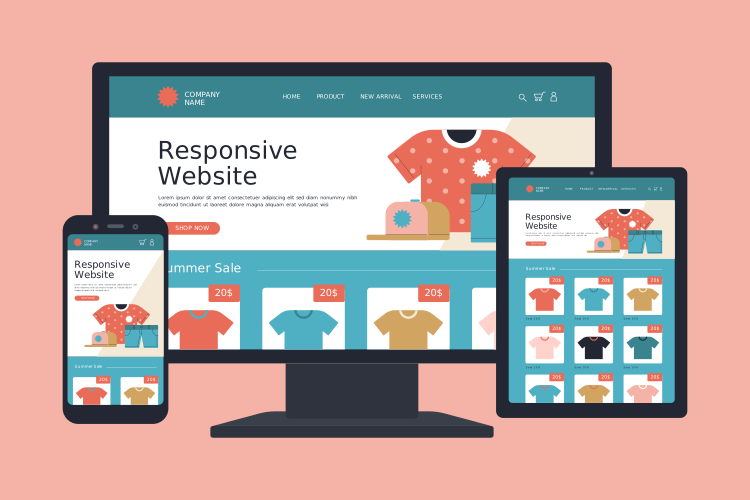
- E-Commerce Solutions: Many online retailers have developed custom web apps to streamline their sales processes, manage inventory, and enhance customer engagement.
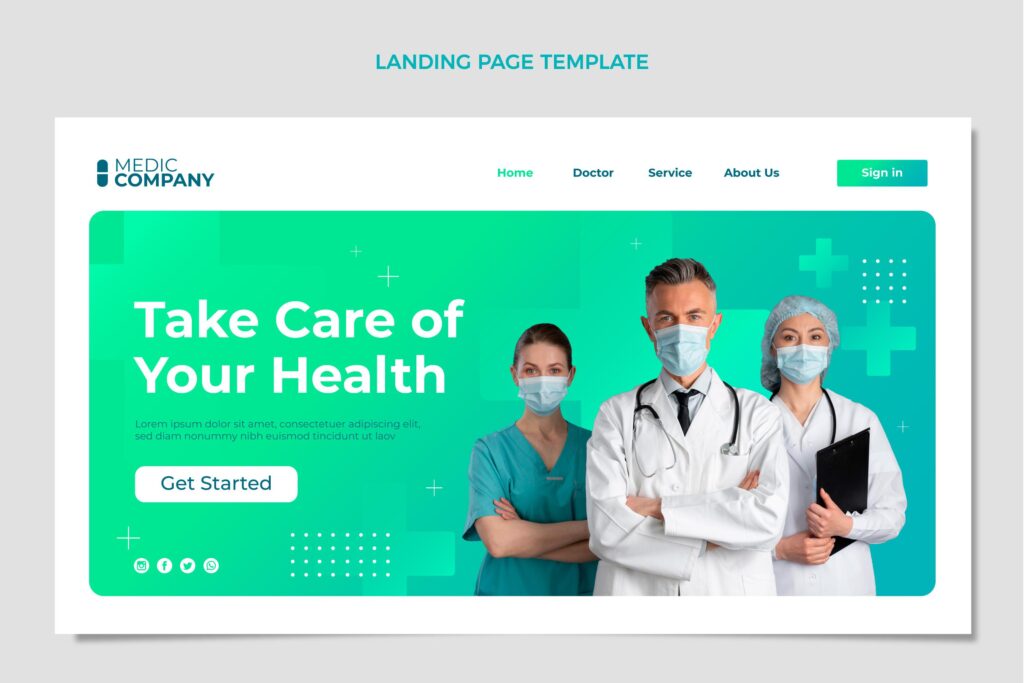
- Healthcare Management Systems: Hospitals and clinics have created custom applications to manage patient records, appointments, and billing, improving overall efficiency and patient care.
- CRM Systems: Businesses often develop custom customer relationship management systems to better track interactions and data specific to their operations.
Measurement: Evaluating the Success of Your Custom Web App
Once your custom web app is live, it’s crucial to measure its success. Here are key metrics to consider:
- User Adoption Rates: Track how many users are actively using the app. High adoption rates indicate that the app meets user needs.
- Performance Metrics: Monitor load times, uptime, and responsiveness. A well-performing app enhances user satisfaction.
- ROI Analysis: Evaluate the return on investment by comparing the costs of development and maintenance against the benefits gained from increased efficiency and productivity.
- User Feedback: Regularly collect feedback from users to identify areas for improvement and ensure the app continues to meet their needs.
- Scalability Metrics: Assess how well the app handles increased traffic and additional features as your business grows.
When to Hire Help for Custom Web App Development
While some businesses may have the in-house expertise to develop custom web apps, others may benefit from hiring external help. Consider bringing in professionals when:
- Lack of Expertise: If your team lacks the necessary skills in web development, hiring experts can ensure a high-quality product.
- Time Constraints: If you need the app developed quickly, external developers can often expedite the process.
- Complex Requirements: If your project involves complex functionalities or integrations, specialized knowledge may be required.
- Ongoing Support: Consider hiring a development agency for ongoing support and maintenance to keep your app running smoothly.
Conclusion
In conclusion, custom web apps offer a multitude of benefits that can transform your business operations. From enhancing efficiency and productivity to providing tailored solutions that meet your unique needs, these applications are an investment worth considering. The implementation process, while intricate, can yield significant rewards when executed correctly. By avoiding common pitfalls and using clear decision criteria, you can ensure that your custom web app aligns with your business goals. As a leading provider of full-stack development services, Flexus Solutions is here to help you navigate the world of custom web applications. Contact us today to explore how we can assist you in building a solution that drives growth and success.
FAQ
Frequently asked questions
What are custom web apps?
Custom web apps are tailored software solutions designed to meet the specific needs of a business, enhancing functionality and user experience.
How do custom web apps improve business efficiency?
They automate repetitive tasks and integrate various functions, allowing employees to focus on strategic initiatives.
Are custom web apps scalable?
Yes, they can be designed to grow with your business, accommodating new features and users as needed.
What security measures can be implemented in custom web apps?
Custom web apps can include robust security protocols tailored to industry standards, protecting sensitive data.
How do custom web apps enhance user experience?
They allow for user-centric design, ensuring the interface is intuitive and meets the specific needs of users.