Understanding Full-Stack Development

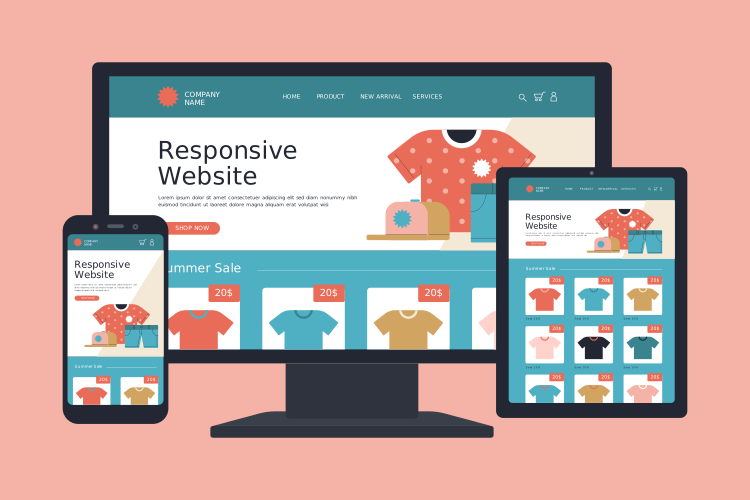
Full-stack development refers to the comprehensive approach of building both the front-end and back-end of web applications. This means that a full-stack developer is skilled in both client-side and server-side technologies, allowing them to create a complete web solution. Full-stack developers are proficient in a variety of programming languages, frameworks, and tools that enable them to manage the entire development process from start to finish.
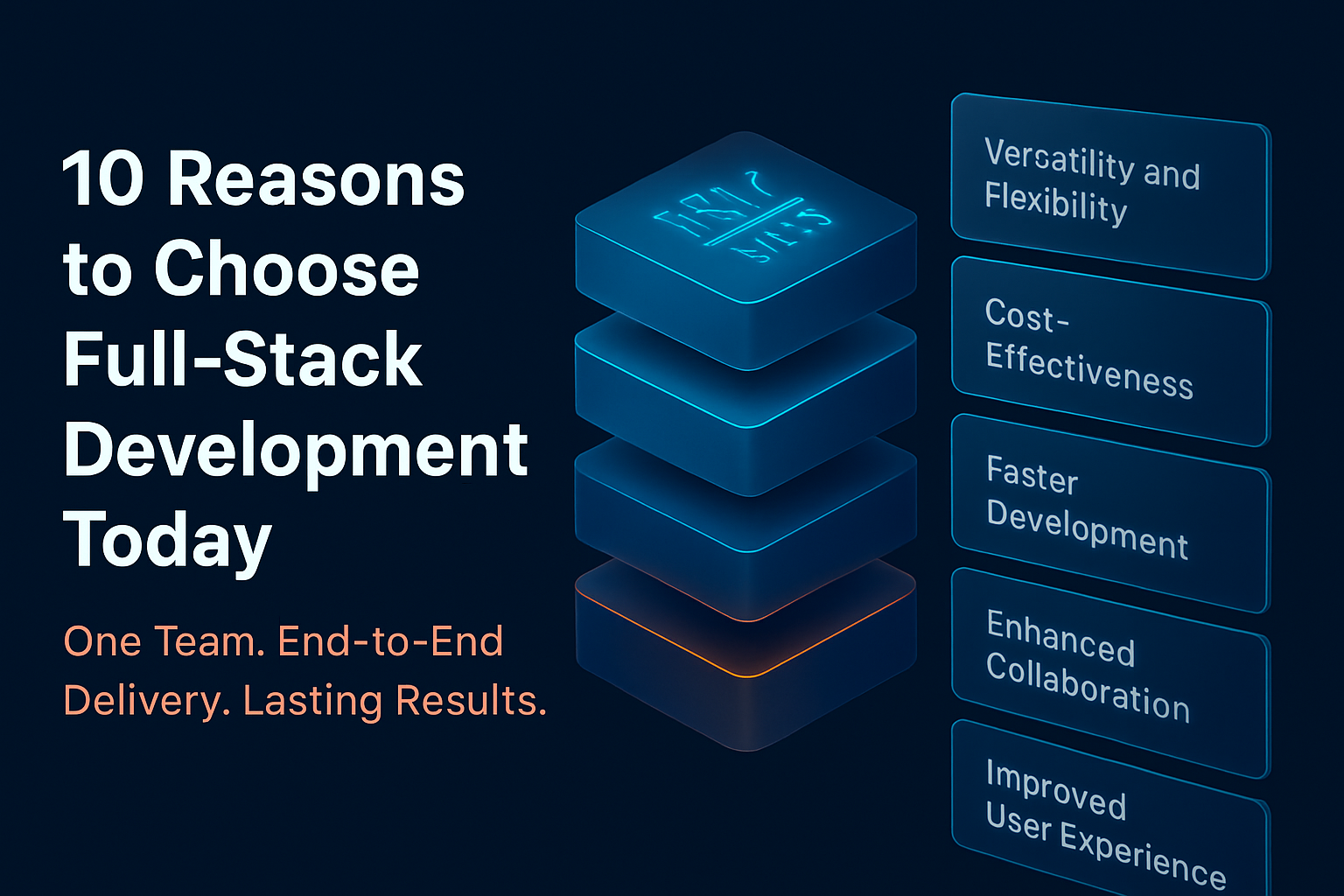
1. Versatility and Flexibility

One of the most compelling reasons to choose full-stack development is the versatility it offers. Full-stack developers can handle various tasks, from designing user interfaces to managing databases. This flexibility allows businesses to adapt more quickly to changing needs. For instance, if a new feature is required, a full-stack developer can implement it without needing to coordinate with multiple specialists, thus streamlining the process.
2. Cost-Effectiveness
Hiring a full-stack developer can be more cost-effective than employing separate front-end and back-end developers. This streamlined approach reduces labor costs and simplifies project management. Businesses can save on the overhead associated with hiring multiple employees or contractors, allowing them to allocate resources more effectively.
3. Faster Development Time
With a full-stack developer, the development process can be significantly accelerated. They can work on multiple aspects of a project simultaneously, reducing the time it takes to launch a product. This rapid development cycle is especially beneficial for startups and businesses looking to quickly enter the market with new offerings.
4. Enhanced Collaboration

Full-stack developers understand the entire development process, which fosters better communication and collaboration within teams. This holistic view can lead to improved project outcomes. When everyone is on the same page, it minimizes misunderstandings and enhances the overall efficiency of the project.
5. Improved User Experience

Full-stack developers focus on both the front-end and back-end, ensuring that the user experience is seamless. They can optimize performance and usability, leading to higher user satisfaction. By understanding how the front-end interacts with the back-end, they can create applications that are not only functional but also enjoyable to use.
6. Strong Problem-Solving Skills

Full-stack developers are often adept at troubleshooting issues across the entire stack. Their comprehensive knowledge enables them to identify and resolve problems more efficiently. This skill set is crucial in maintaining application stability and performance, which can significantly reduce downtime and enhance user trust.
7. Staying Current with Technology Trends

The tech landscape is constantly evolving, and full-stack developers are typically more attuned to the latest trends and technologies. This awareness allows them to implement modern solutions that keep businesses competitive. By leveraging the latest tools and frameworks, full-stack developers can ensure that applications are not only functional but also innovative.
8. Scalability
Full-stack development supports scalability. As your business grows, a full-stack developer can adapt your application to handle increased traffic and functionality without significant overhauls. This adaptability is crucial for businesses that anticipate growth or seasonal fluctuations in user activity.
9. Better Integration of Technologies
Full-stack developers can integrate various technologies and tools more effectively. This integration leads to a more cohesive and functional application. For example, they can seamlessly connect front-end frameworks with back-end services, ensuring that data flows smoothly and efficiently throughout the application.
10. Comprehensive Support
With a full-stack developer, businesses receive comprehensive support throughout the development process and beyond. This ongoing assistance ensures that applications remain functional and relevant. Whether it’s through regular updates, bug fixes, or adding new features, full-stack developers provide the necessary support to keep applications running smoothly.
Implementation Steps for Full-Stack Development
Implementing full-stack development involves several key steps:
- Define Project Scope: Clearly outline the objectives, features, and functionalities required for the application.
- Choose the Right Technologies: Select appropriate front-end and back-end technologies based on project requirements.
- Design the Architecture: Plan the application architecture, including database design and server infrastructure.
- Develop Front-End: Create the user interface and ensure it is responsive and user-friendly.
- Develop Back-End: Build the server-side logic, database interactions, and APIs.
- Testing: Conduct thorough testing to identify and fix bugs before deployment.
- Deployment: Launch the application on a suitable platform.
- Maintenance: Provide ongoing support and updates to ensure optimal performance.
Pitfalls to Avoid in Full-Stack Development
While full-stack development offers numerous benefits, there are also common pitfalls to be aware of:
- Overloading Developers: Expecting a single developer to handle all aspects of a complex project can lead to burnout and decreased quality.
- Lack of Specialization: While full-stack developers are versatile, they may not possess the same depth of knowledge as specialists in certain areas.
- Ignoring User Feedback: Failing to incorporate user feedback during development can result in a product that does not meet user needs.
- Neglecting Documentation: Proper documentation is essential for future maintenance and updates; neglecting this can lead to challenges down the line.
Decision Criteria for Hiring a Full-Stack Developer
When considering hiring a full-stack developer, evaluate the following criteria:
- Experience: Look for developers with a proven track record in full-stack development.
- Technical Skills: Ensure they are proficient in the necessary technologies and frameworks.
- Problem-Solving Ability: Assess their ability to troubleshoot and resolve issues effectively.
- Communication Skills: Strong communication is essential for collaboration and understanding project requirements.
- Portfolio: Review their previous work to gauge quality and style.
Examples of Successful Full-Stack Development Projects
Many successful companies have leveraged full-stack development to create innovative applications. Here are a few notable examples:
- Airbnb: Utilizes full-stack development to manage its complex platform, allowing users to book accommodations seamlessly.
- Uber: Employs full-stack development to integrate various technologies for real-time ride tracking and payment processing.
- LinkedIn: Uses full-stack development to create a robust networking platform that connects professionals worldwide.
Measurement of Success in Full-Stack Development
Measuring the success of full-stack development projects can be done through various metrics:
- User Engagement: Monitor metrics such as time spent on the application and user retention rates.
- Performance Metrics: Assess load times, response times, and overall application performance.
- Feedback and Reviews: Collect user feedback to gauge satisfaction and identify areas for improvement.
- Return on Investment (ROI): Evaluate the financial impact of the application on the business.
When to Hire Help for Full-Stack Development
There are specific scenarios where hiring external help for full-stack development may be beneficial:
- Limited In-House Expertise: If your team lacks full-stack development skills, it may be time to bring in a specialist.
- Time Constraints: When facing tight deadlines, hiring experienced developers can expedite the process.
- Complex Projects: For intricate applications that require extensive knowledge, professional assistance can ensure quality.
- Scaling Needs: If your application needs to scale quickly, experienced developers can help implement the necessary changes efficiently.
Conclusion
In summary, full-stack development offers numerous advantages for businesses looking to establish a strong digital presence. From cost-effectiveness to improved user experience, the benefits are clear. By understanding the implementation steps, avoiding common pitfalls, and knowing when to hire help, businesses can maximize the effectiveness of their full-stack development efforts. If you’re ready to take your web development to the next level, consider partnering with Flexus Solutions for proven full-stack development services. Contact us today to learn more!
FAQ
Frequently asked questions
What is full-stack development?
Full-stack development involves both front-end and back-end development, allowing developers to create complete web applications.
Why should I choose full-stack development?
Full-stack development offers versatility, cost-effectiveness, faster development times, and improved user experiences.
How does full-stack development benefit my business?
It streamlines the development process, reduces costs, and enhances collaboration, ultimately leading to better products.
What technologies do full-stack developers use?
Full-stack developers use a variety of technologies, including HTML, CSS, JavaScript, databases, and server-side languages.
Can full-stack developers help with scalability?
Yes, full-stack developers can design applications that scale efficiently as your business grows.