Introduction
In the fast-paced world of mobile application development, choosing the right framework is crucial for success. Flutter, developed by Google, has emerged as a popular choice among developers due to its unique features and capabilities. This article explores the top five benefits of using Flutter for mobile application development. It highlights how it can enhance your app's performance and user experience.
1. Cross-Platform Development

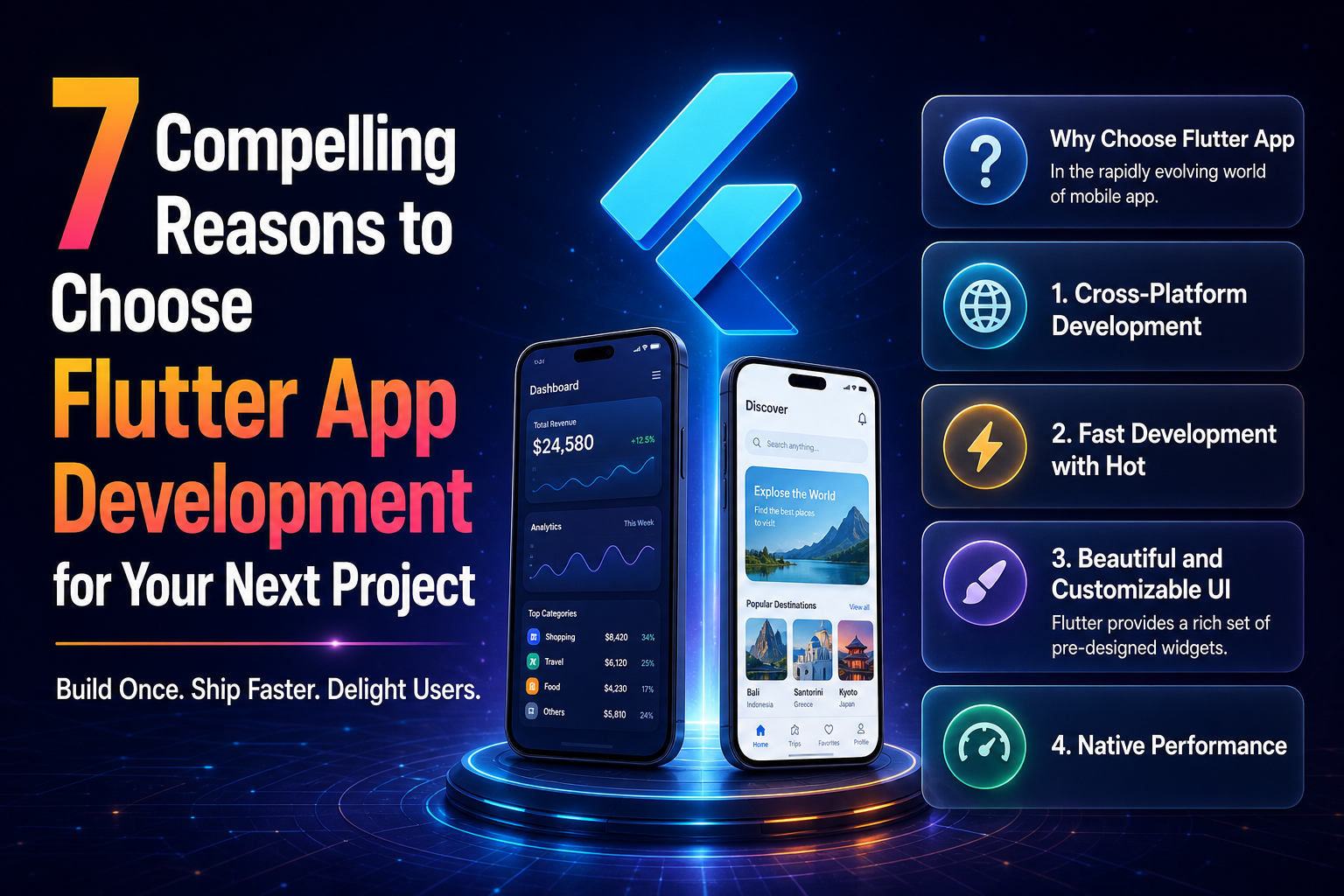
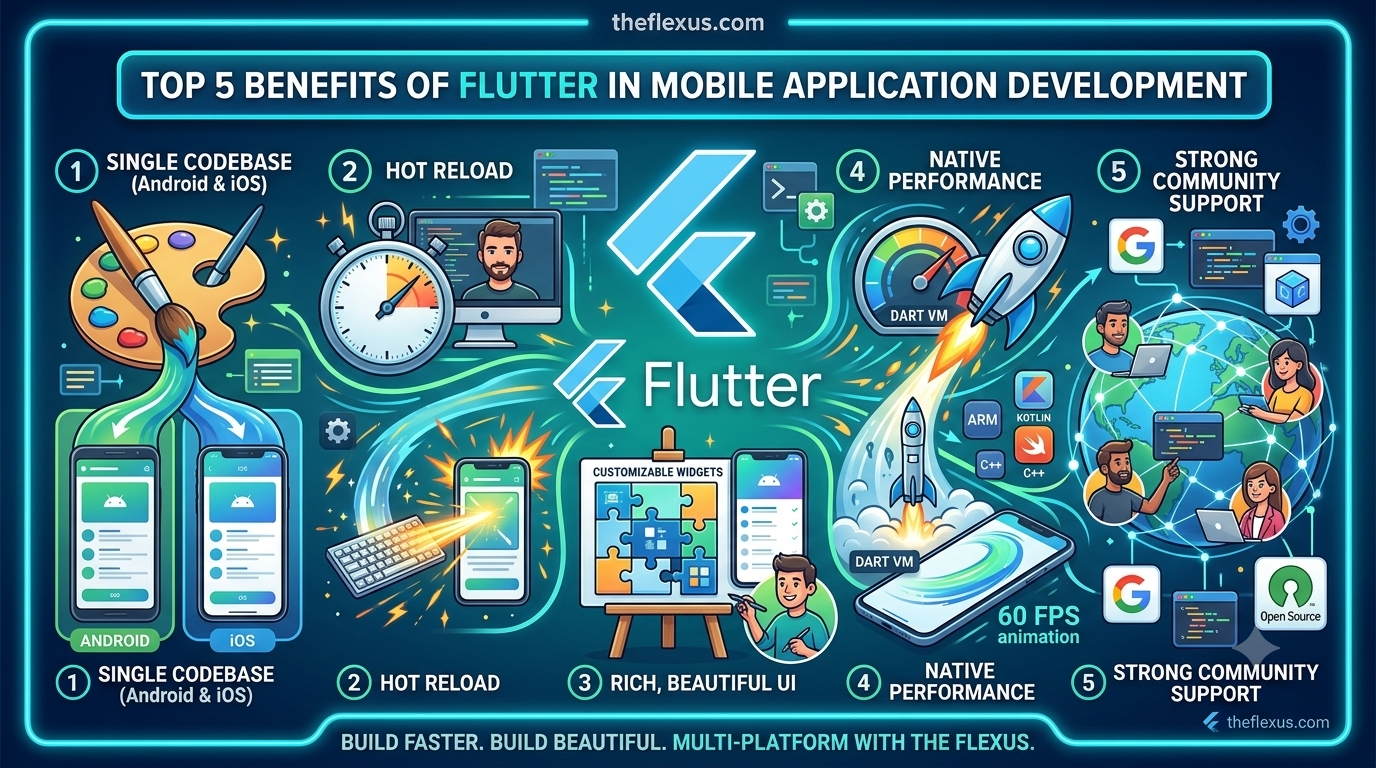
One of the most significant advantages of Flutter is its ability to facilitate cross-platform development. With Flutter, developers can write a single codebase that runs on both iOS and Android devices. This not only saves time but also reduces development costs. It makes Flutter an attractive option for businesses looking to reach a broader audience.
2. Fast Development with Hot Reload

Flutter's hot reload feature allows developers to see changes in real-time without restarting the application. This speeds up the development process significantly. It enables developers to experiment and iterate quickly. As a result, teams can deliver high-quality applications faster, which is essential in today's competitive market.
3. Rich User Interface
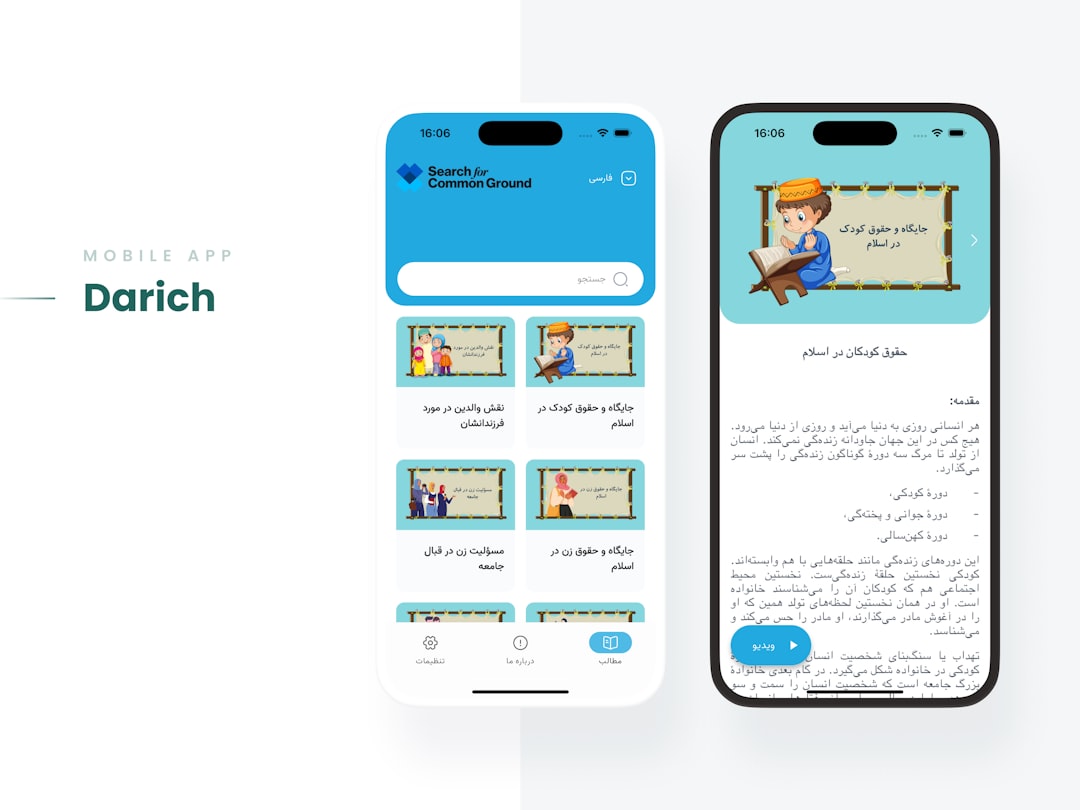
Flutter offers a wide range of customizable widgets that allow developers to create visually appealing user interfaces. These widgets are designed to follow the Material Design and Cupertino styles. This ensures that apps look great on both Android and iOS platforms. A rich user interface not only enhances user engagement but also improves overall user experience.
4. High Performance

Applications built with Flutter are known for their high performance. Flutter compiles to native ARM code, which allows for smooth animations and quick load times. This performance advantage is crucial for mobile applications. Users expect seamless interactions and minimal delays. By leveraging Flutter's capabilities, developers can create applications that perform exceptionally well across devices.
5. Strong Community Support
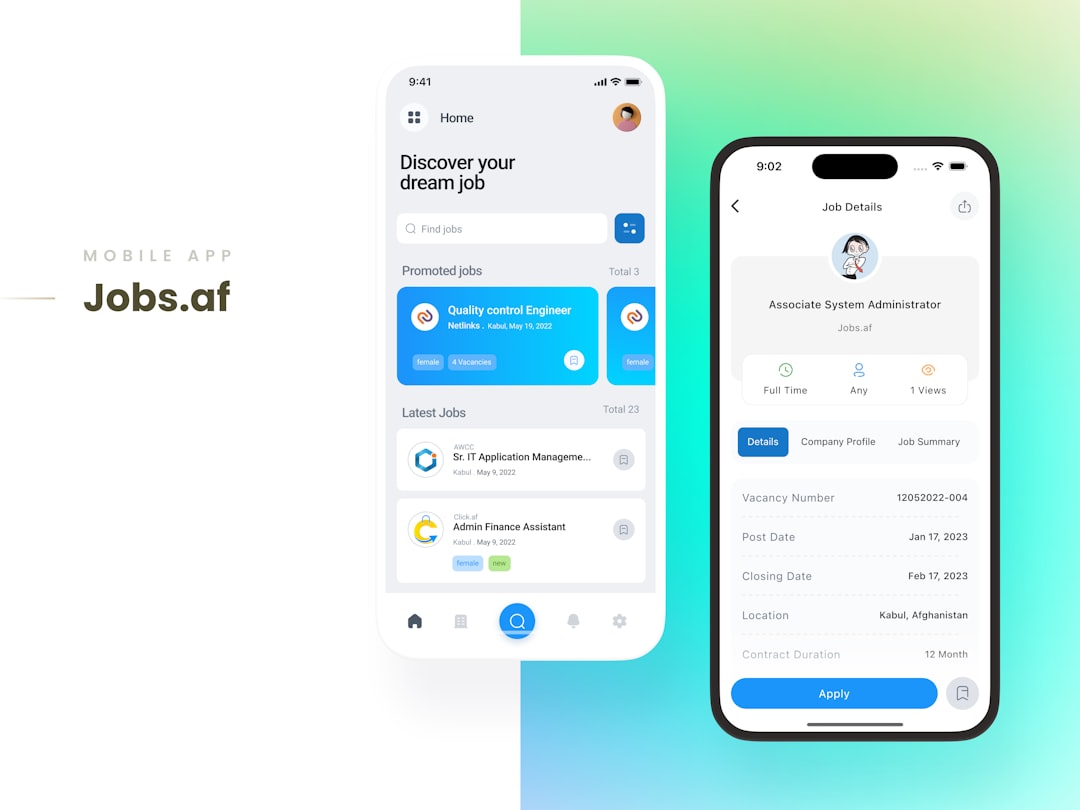
Flutter has a rapidly growing community of developers and contributors. This vibrant ecosystem provides a wealth of resources, including libraries, plugins, and tutorials. These resources can help developers overcome challenges and enhance their skills. Additionally, Google’s backing ensures that Flutter continues to evolve and improve. This makes it a reliable choice for mobile application development.
Implementation Steps for Mobile Application Development
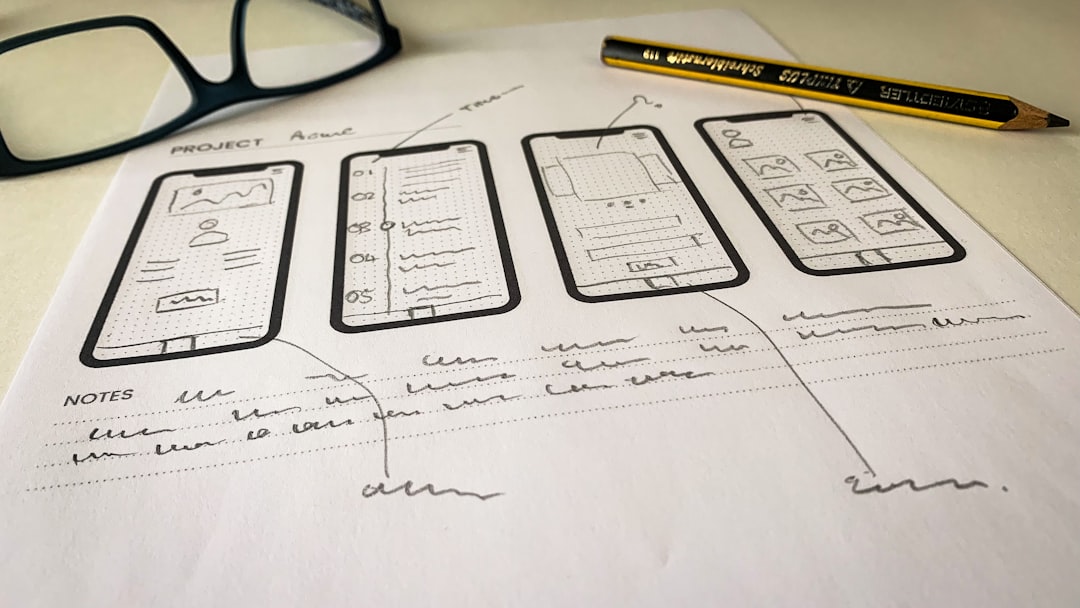
To effectively utilize Flutter in mobile application development, follow these implementation steps:
- Define Project Goals: Start by outlining the objectives of your mobile application. Understanding the target audience and the core functionalities will guide the development process.
- Set Up the Development Environment: Install Flutter SDK and set up your preferred IDE (such as Android Studio or Visual Studio Code). Ensure you have the necessary tools for both Android and iOS development.
- Create a New Flutter Project: Use the command line to create a new Flutter project. This will set up the basic structure of your application.
- Design the User Interface: Utilize Flutter's extensive library of widgets to create a visually appealing and user-friendly interface. Focus on usability and aesthetics.
- Develop Application Logic: Write the necessary code to implement the functionalities of your application. This includes integrating APIs, databases, and other services.
- Test the Application: Conduct thorough testing on both iOS and Android devices. Use Flutter's testing framework to ensure your app is bug-free and performs well.
- Deploy the Application: Once testing is complete, prepare your application for deployment on the App Store and Google Play Store.
Pitfalls to Avoid in Mobile Application Development

While Flutter offers numerous benefits, there are potential pitfalls to be aware of:
- Over-reliance on Third-Party Libraries: While Flutter has a rich ecosystem, relying too heavily on third-party libraries can lead to compatibility issues and increased maintenance challenges.
- Neglecting Platform-Specific Features: Flutter provides a cross-platform solution, but it's essential to consider platform-specific features that may enhance user experience.
- Ignoring Performance Optimization: Although Flutter is known for its performance, developers must still optimize their code to ensure the app runs smoothly across devices.
- Inadequate Testing: Skipping or rushing through the testing phase can lead to bugs and performance issues that negatively impact user experience.
Decision Criteria for Choosing Flutter for Mobile Application Development
When considering Flutter for mobile application development, evaluate the following criteria:
- Project Scope: Assess whether your project requires a cross-platform solution. Flutter is ideal for applications targeting both iOS and Android.
- Development Timeline: If you need to launch your application quickly, Flutter's rapid development capabilities can be a significant advantage.
- Budget Constraints: Flutter's cross-platform nature can help reduce development costs, making it a suitable choice for budget-conscious projects.
- User Experience Requirements: If your application demands a rich and engaging user interface, Flutter's customizable widgets can help achieve that goal.
Examples of Successful Flutter Applications
Many successful applications have been developed using Flutter, showcasing its capabilities:
- Google Ads: The official Google Ads app is built with Flutter, allowing users to manage their ad campaigns seamlessly.
- Reflectly: This popular journaling app utilizes Flutter to deliver a beautiful and intuitive user experience.
- Alibaba: The Alibaba app leverages Flutter for its smooth performance and attractive UI, catering to millions of users globally.
Measurement of Success in Mobile Application Development
To determine the success of your Flutter application, consider the following metrics:
- User Engagement: Monitor user interactions within the app to gauge engagement levels. High engagement often correlates with a positive user experience.
- Performance Metrics: Track load times, crash reports, and responsiveness to ensure your app performs optimally.
- Retention Rates: Analyze how many users continue to use your app over time. High retention rates indicate that users find value in your application.
- Customer Feedback: Collect user feedback through surveys and reviews to identify areas for improvement and enhance the overall experience.
When to Hire Help for Mobile Application Development
While Flutter simplifies mobile application development, there are scenarios where hiring professional help is advisable:
- Lack of Expertise: If your team lacks experience in Flutter or mobile development, hiring experts can ensure a smoother development process.
- Complex Projects: For projects with intricate features or integrations, professional developers can provide the necessary skills and knowledge.
- Time Constraints: If you have a tight deadline, enlisting a development agency can expedite the process and ensure timely delivery.
- Ongoing Maintenance: Consider hiring help for ongoing support and maintenance to keep your application updated and functioning well.
Conclusion
In conclusion, Flutter offers numerous benefits for mobile application development. These include cross-platform capabilities, fast development, rich user interfaces, high performance, and strong community support. By choosing Flutter, businesses can create high-quality applications that meet user expectations and stand out in the competitive landscape.
If you're considering mobile application development, contact Flexus Solutions today to learn more about our Flutter app development services. We can help bring your vision to life. With the right approach and understanding of the implementation steps, pitfalls, and success metrics, you can leverage Flutter to its fullest potential. This ensures your app not only meets but exceeds user expectations.
FAQ
Frequently asked questions
What is Flutter?
Flutter is an open-source UI software development toolkit created by Google for building natively compiled applications for mobile, web, and desktop from a single codebase.
How does Flutter improve app performance?
Flutter improves app performance by compiling to native ARM code, which allows for smooth animations and quick load times.
Can Flutter be used for web applications?
Yes, Flutter can be used to develop web applications, in addition to mobile and desktop applications.
What are the costs associated with Flutter app development?
The costs of Flutter app development can vary based on the complexity of the app, but using a single codebase for multiple platforms can significantly reduce overall expenses.
Is there community support for Flutter?
Yes, Flutter has a strong and growing community that provides resources, libraries, and support for developers.