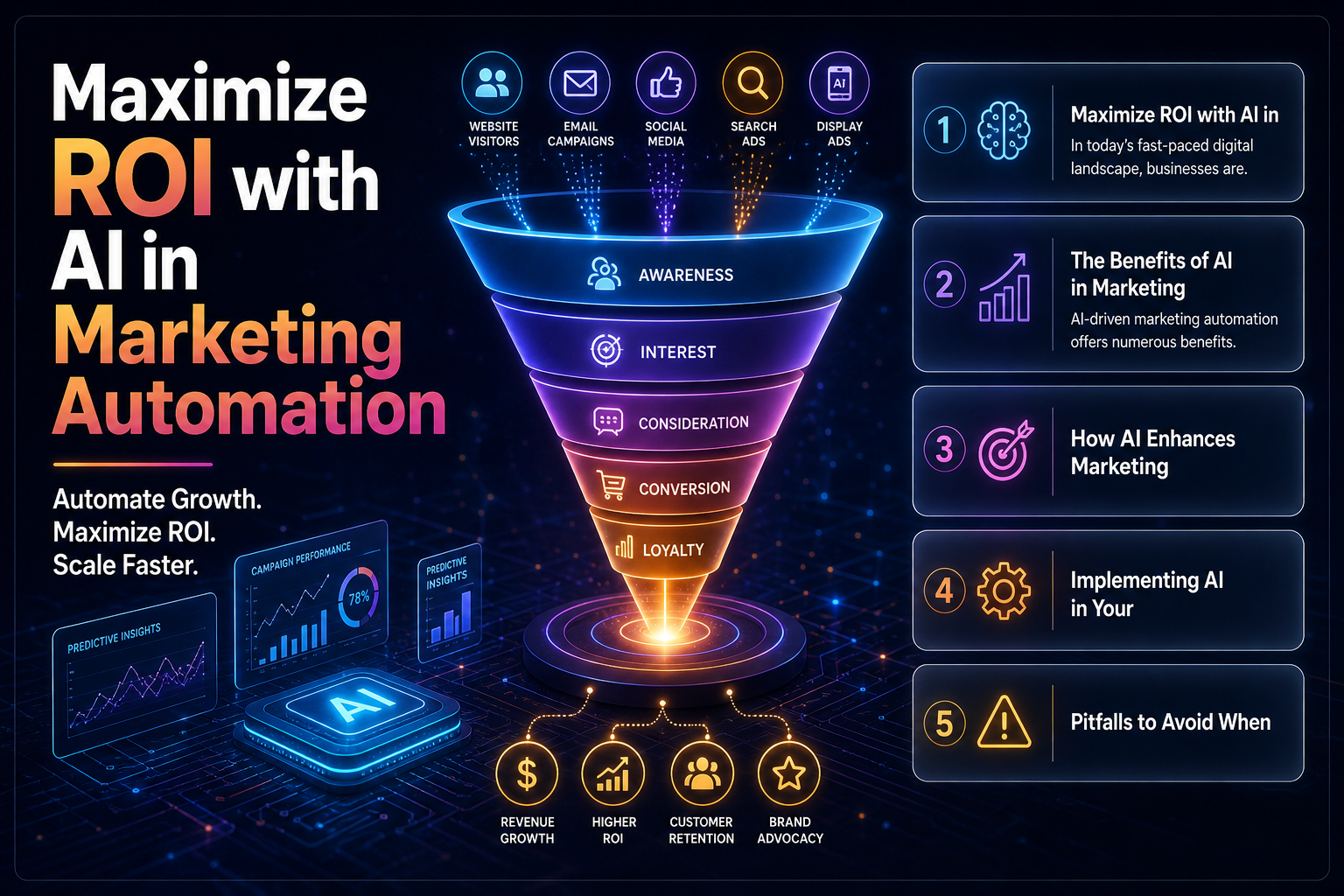
Maximize ROI with AI in Marketing Automation
In today's fast-paced digital landscape, businesses are increasingly turning to AI in marketing automation to enhance their strategies and improve efficiency. By leveraging AI technologies, companies can automate repetitive tasks, analyze vast amounts of data, and deliver personalized experiences to their customers.
The Benefits of AI in Marketing Automation
AI-driven marketing automation offers numerous benefits that can significantly impact a company's bottom line. Here are some key advantages:
- Enhanced Customer Insights: AI tools can analyze customer behavior and preferences, allowing marketers to create targeted campaigns that resonate with their audience.
- Increased Efficiency: Automating routine tasks frees up time for marketers to focus on strategy and creativity, ultimately leading to better campaign outcomes.
- Personalization at Scale: AI enables businesses to deliver personalized content and recommendations to customers, increasing engagement and conversion rates.
- Data-Driven Decisions: With AI, marketers can make informed decisions based on real-time data analysis, improving overall campaign performance.
How AI Enhances Marketing Automation Processes

AI enhances various marketing automation processes, including:
- Email Marketing: AI can optimize email campaigns by analyzing open rates, click-through rates, and customer interactions to tailor content for better engagement.
- Lead Scoring: AI algorithms can evaluate leads based on their behavior and engagement levels, helping sales teams prioritize high-quality leads.
- Content Creation: AI tools can assist in generating content ideas and even drafting copy, streamlining the content creation process.
- Customer Segmentation: AI can analyze customer data to create detailed segments, allowing for more targeted marketing efforts.
Implementing AI in Your Marketing Strategy
To successfully implement AI in your marketing automation strategy, consider the following steps:
- Assess Your Needs: Identify areas where AI can add value to your marketing efforts, such as customer engagement or data analysis.
- Choose the Right Tools: Select AI-powered marketing automation tools that align with your goals and budget.
- Train Your Team: Ensure your marketing team is equipped with the knowledge and skills to leverage AI technologies effectively.
- Monitor and Optimize: Continuously analyze the performance of your AI-driven campaigns and make adjustments as needed for optimal results.
Pitfalls to Avoid When Implementing AI

While integrating AI into your marketing automation strategy can yield significant benefits, there are potential pitfalls to be aware of:
- Over-Reliance on Automation: While automation can enhance efficiency, relying solely on AI can lead to a lack of human touch in customer interactions.
- Neglecting Data Quality: AI's effectiveness is contingent on the quality of the data it processes. Poor data can lead to inaccurate insights and misguided strategies.
- Ignoring Ethical Considerations: Transparency and ethical use of AI in marketing are crucial. Ensure that your practices align with customer expectations and privacy regulations.
Decision Criteria for Choosing AI Tools

When selecting AI tools for your marketing automation, consider the following criteria:
- Functionality: Ensure the tool meets your specific marketing needs, whether it's for email marketing, analytics, or customer segmentation.
- Integration: The tool should seamlessly integrate with your existing marketing stack to avoid disruptions.
- Scalability: Choose tools that can grow with your business and adapt to changing marketing needs.
- Support and Training: Look for vendors that offer robust support and training resources to help your team leverage the tool effectively.
Examples of Successful AI Implementation in Marketing Automation

Many companies have successfully integrated AI into their marketing automation strategies. For instance:
- E-commerce Platforms: A leading e-commerce platform used AI to personalize product recommendations, resulting in a 20% increase in sales.
- Travel Industry: A travel company utilized AI for dynamic pricing strategies, adjusting rates based on demand and customer behavior, leading to a significant boost in revenue.
- Retail Brands: A retail brand implemented AI-driven chatbots for customer service, enhancing customer satisfaction and reducing response times.
Measurement and Analytics in AI-Driven Marketing
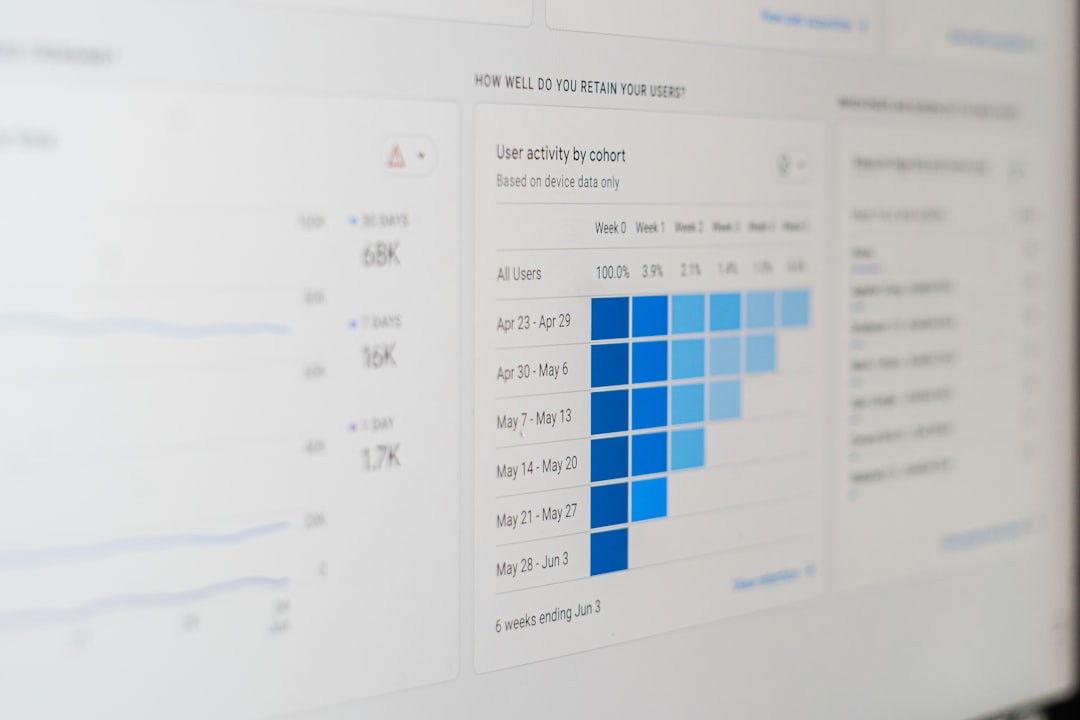
To gauge the success of your AI-driven marketing automation efforts, it's essential to establish clear measurement metrics:
- Conversion Rates: Track how AI-driven campaigns impact conversion rates and overall sales.
- Customer Engagement: Measure engagement metrics such as open rates, click-through rates, and social media interactions to assess the effectiveness of personalized content.
- Return on Investment (ROI): Calculate the ROI of your AI initiatives by comparing the costs of implementation with the revenue generated from improved marketing efforts.
When to Hire Help for AI Implementation
Implementing AI in marketing automation can be complex. Consider hiring external help if:
- Lack of Expertise: Your team lacks the necessary skills or knowledge to effectively implement and manage AI tools.
- Resource Constraints: You have limited time or resources to dedicate to the implementation process.
- Need for Custom Solutions: Your business requires tailored AI solutions that may not be achievable with off-the-shelf tools.
Future Trends in AI and Marketing Automation
The future of AI in marketing automation is promising. Emerging trends include:
- Increased Use of Chatbots: AI-powered chatbots are becoming essential for customer service, providing instant support and engagement.
- Predictive Analytics: AI will enable marketers to anticipate customer needs and behaviors, allowing for proactive marketing strategies.
- Voice Search Optimization: As voice search becomes more prevalent, AI will play a crucial role in optimizing content for voice queries.
Conclusion
In conclusion, integrating AI in marketing automation can significantly enhance your marketing strategies and maximize ROI. By leveraging AI tools, businesses can improve efficiency, gain valuable insights, and deliver personalized experiences to their customers. If you're looking to implement AI in your marketing efforts, consider exploring our AI Agent Development Services at Flexus Solutions. Contact us today to set up an appointment and take your marketing to the next level!
FAQ
Frequently asked questions
What is AI in marketing automation?
AI in marketing automation refers to the use of artificial intelligence technologies to automate marketing tasks, analyze data, and enhance customer engagement.
How does AI improve marketing efficiency?
AI improves marketing efficiency by automating repetitive tasks, providing insights from data analysis, and enabling personalized marketing strategies.
Can small businesses benefit from AI in marketing?
Yes, small businesses can leverage AI tools to optimize their marketing efforts, improve customer targeting, and enhance overall efficiency.
What are some examples of AI tools for marketing automation?
Examples of AI tools for marketing automation include email marketing platforms, customer relationship management (CRM) systems, and content generation tools.
How do I choose the right AI marketing tools?
Choose AI marketing tools based on your specific needs, budget, and the features that align with your marketing goals.